50 Best Urdu Novels – Read or Complete PDF Download
A library, not a leaderboard
NovelBazar is a broad library, so this guide is organised the way a librarian would organise a shelf, not the way a chart ranks songs. The fifty titles come from one published reading list, and they are arranged here by era first and by genre second. That order matters, because Urdu literature did not arrive all at once. It grew in layers, and each layer answers a different kind of reader.
Think of the library in three rooms. The first room holds the foundations, the books that taught Urdu prose and poetry how to speak in a modern voice. The second room holds the golden age, the generation that wrote through Partition and its aftermath and turned that upheaval into fiction, history, humour and reflection. The third room holds the modern shelf, the contemporary novels, poetry and travel writing that most new readers meet first.
You do not have to walk through the rooms in order. You can start in any room, and this guide gives you a path for each kind of reader. What you should not do is judge every book by the rules of the room next door. A poetry collection is not a failed novel. A short story is not an unfinished novel. A book of humorous essays is not a novel that forgot its plot. Each entry below says plainly what its book actually is, so you open the right kind of book with the right expectation.
Every entry links to its own full guide on NovelBazar, where you can read it online or download the complete PDF. Six titles do not yet have a separate NovelBazar post of their own. Those entries link instead to the closest part of the site, and the link note says so plainly. You are never sent to a dead page, and no link pretends to be a post that does not exist.
A note on honesty runs through the whole guide. No copyrighted text is reproduced here. Every description stays at theme level, in fresh words written for this guide. Years are given only where they are firmly established, and disputed years are left open rather than guessed.
How to use this guide
If you have ten minutes, read the reading path near the end of this guide and pick one book from the first five. If you have an evening, pick one era room and read its short introduction, then choose the entry that sounds closest to your taste. If you already know an author you love, use the by-genre index to find that author's other books on this list, then follow the links to their full guides.
The era rooms are reading eras, not strict publication-date boxes. A collected volume can gather poems from several decades, and a modern novel can look back at an older world. The rooms describe the shelf a book belongs on, and the company it keeps, rather than a single year on a timeline.
Era one: the foundations
This is the smallest room, and the most important. Five books sit here, and together they explain where Urdu literature found its modern voice. Start here if you want to understand the tradition before you enjoy its later pleasures. The prose is older and sometimes slower, but the ideas are the ones every later writer inherited.
1. Mirat ul Uroos by Deputy Nazir Ahmad, novel (1869)
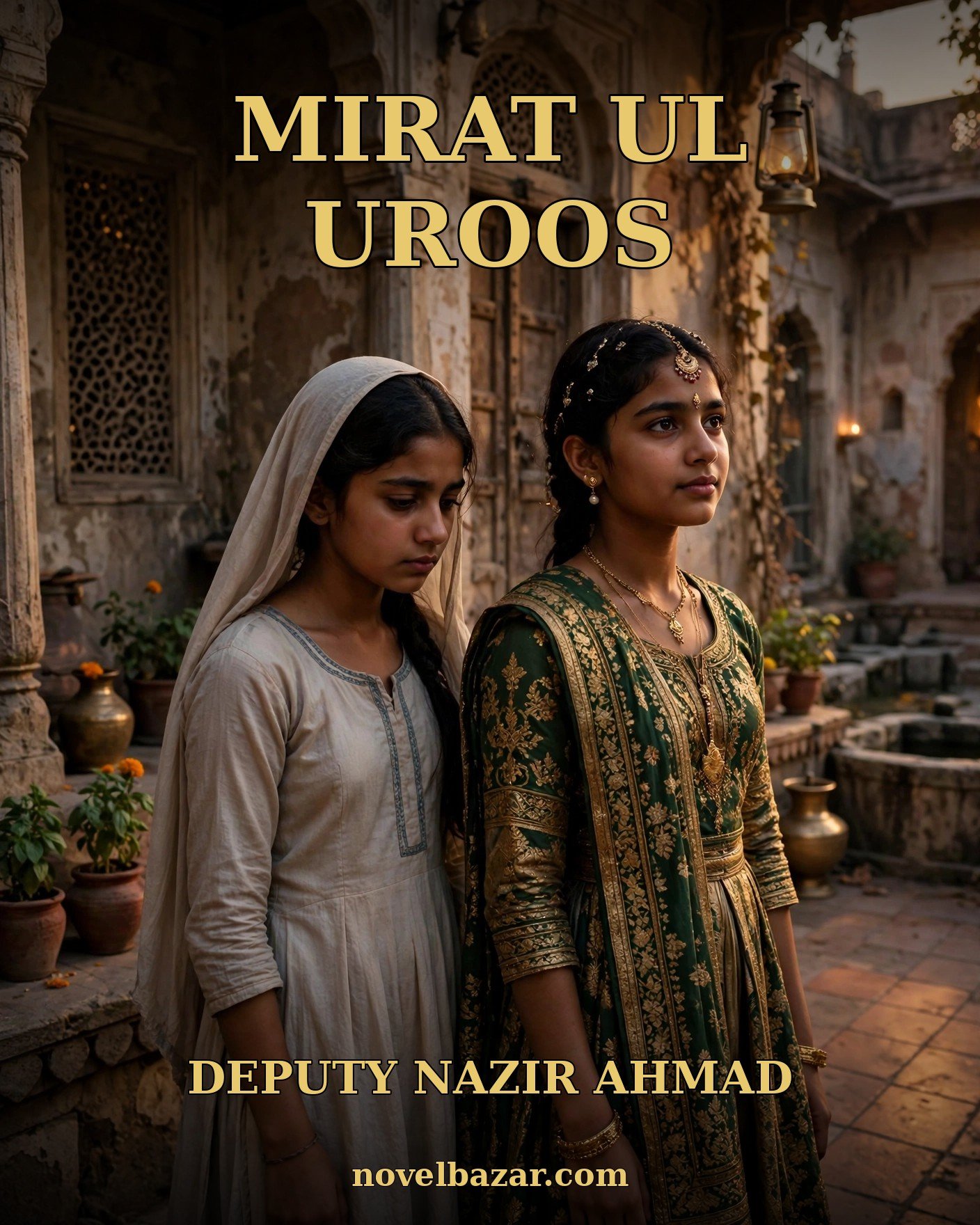
A domestic novel built around two sisters and their very different married lives, written to argue, through story rather than sermon, for education, good sense and kindness inside the home. It is widely regarded as the first Urdu novel, and it was certainly the first great bestseller of Urdu fiction. The claim is disputed, since an earlier work, Khat-e-Taqdeer (1862), is also claimed as the first Urdu novel, so this guide reports the dispute rather than settling it. Read it to see the starting point of the whole library.
Read or download Mirat ul Uroos on NovelBazar
2. Musaddas-e-Hali by Altaf Hussain Hali, long poem (1879)
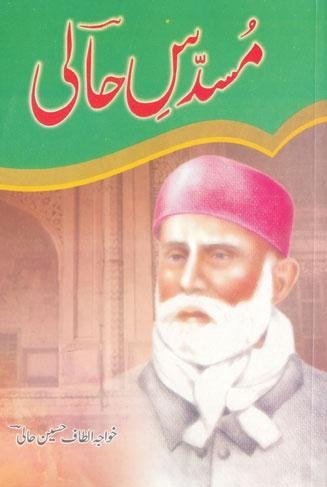
A long poem, whose full title is Madd-o-Jazr-e-Islam, written as both an elegy for a civilisation in decline and a call for renewal. No verse from it is quoted here. Its importance lies in its tone, serious, public and reforming, which gave later Urdu poetry a model for speaking about a whole community rather than only about private feeling. Read it when you want poetry that thinks about history.
Read or download Musaddas-e-Hali on NovelBazar
3. Bang-e-Dara by Muhammad Iqbal, poetry collection (1924)
Iqbal's first poetry collection, and the natural doorway into his work. Its poems move between personal reflection and large public themes, between the self and the community, and that movement is the signature of everything Iqbal wrote afterwards. Read this before the later collections, because it shows the voice before it grew more philosophical.
Read or download Bang-e-Dara on NovelBazar
4. Baal-e-Jibreel by Muhammad Iqbal, poetry collection (1935)
A later, more reflective collection, in which Iqbal's thought turns inward as well as outward. The poems ask harder questions about freedom, action and faith, and they reward slower reading than the first collection. Read it after Bang-e-Dara, when you already trust Iqbal's voice and want to follow where it leads.
Read or download Baal-e-Jibreel on NovelBazar
5. Kulliyat-e-Iqbal by Muhammad Iqbal, collected poetry
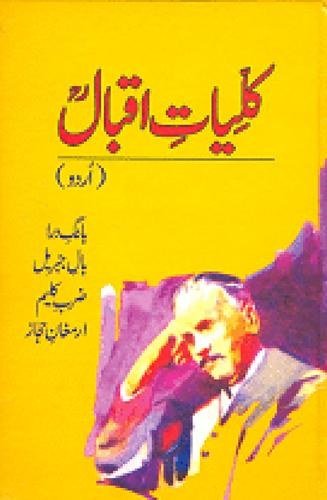
The collected Urdu poetry of Iqbal in one place, gathering Bang-e-Dara, Baal-e-Jibreel, Zarb-e-Kaleem and the Urdu part of Armaghan-e-Hijaz. It has no single first-edition year or page count, so none is claimed here. Buy or download this only when you know you want all of Iqbal, because a collection this large is a reference shelf, not a first book.
Read or download Kulliyat-e-Iqbal on NovelBazar
Era two: the golden age
This is the largest room, and the one that gives Urdu literature its depth. These writers lived through Partition, through the building of a new country, and through the long argument about what that country should be. Their books are not all about Partition, but Partition sits behind many of them, the way a great war sits behind the writing of any generation that lived through it.
The golden age room also holds the great humourists and reflectors, because a generation that had seen so much also needed to laugh and to think. Read this room slowly. Its books are the ones readers return to for decades, and they are the reason the modern shelf exists at all.
6. Aag Ka Darya by Qurratulain Hyder, novel (1959)
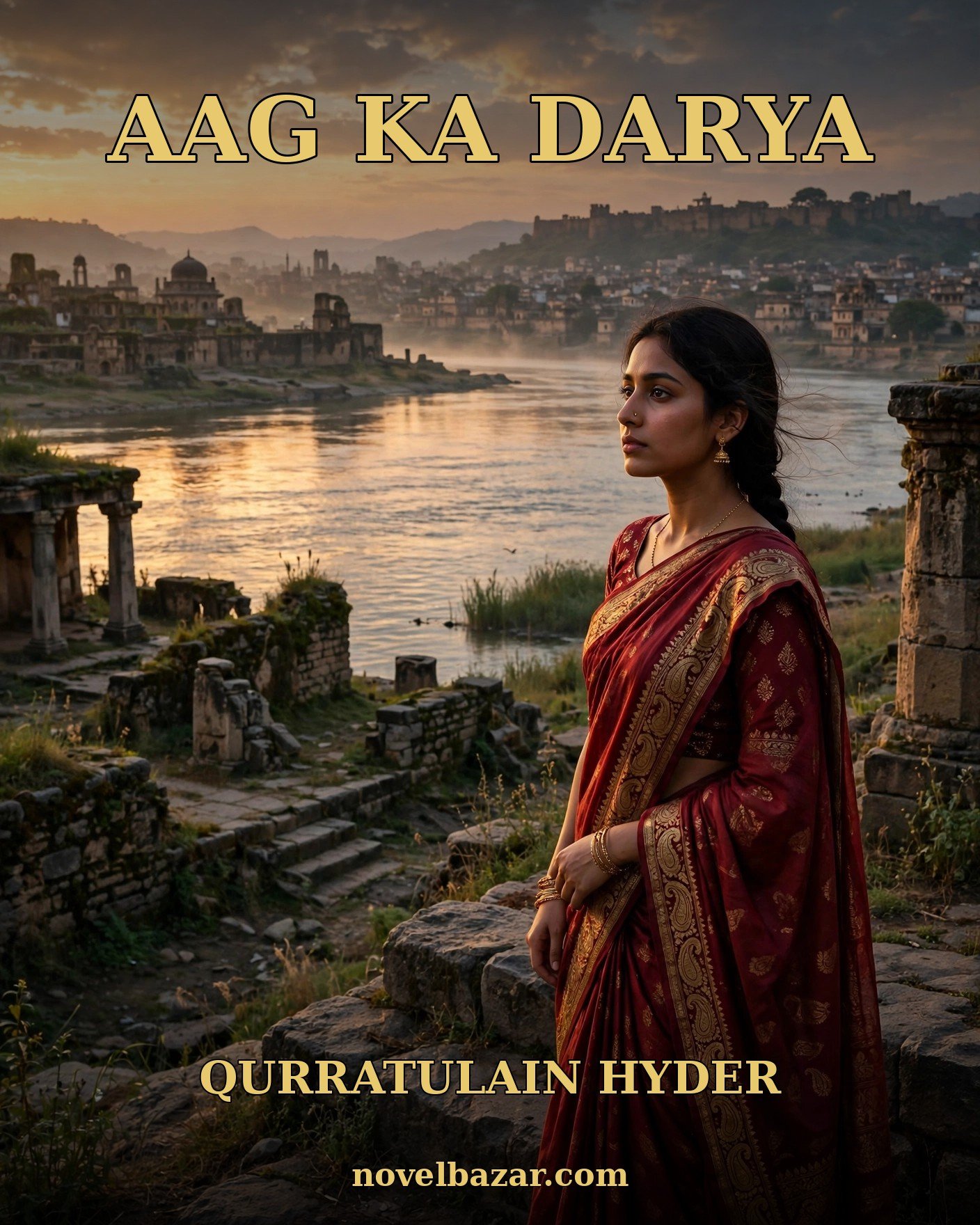
An epic novel that follows lives and civilisations across centuries of South Asian history, from ancient times to Partition. It is widely regarded as one of the most important Urdu novels of the twentieth century, and it is also one of the most demanding. Read it when you are ready for a big book that asks for patience and repays it.
NovelBazar does not yet carry a separate post for this title, so this entry links to the NovelBazar homepage, the closest starting point on the site.
7. Raja Gidh by Bano Qudsia, novel
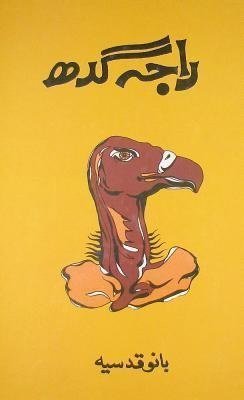
A philosophical novel about desire, limits and consequences, built around the vulture as a symbol of appetite that feeds on what is dead. It is one of the most argued-over Urdu novels of the modern era, and readers still disagree about its judgements. Read it if you like fiction that makes you think as hard as it makes you feel.
Read or download Raja Gidh on NovelBazar
8. Aangan by Khadija Mastoor, novel
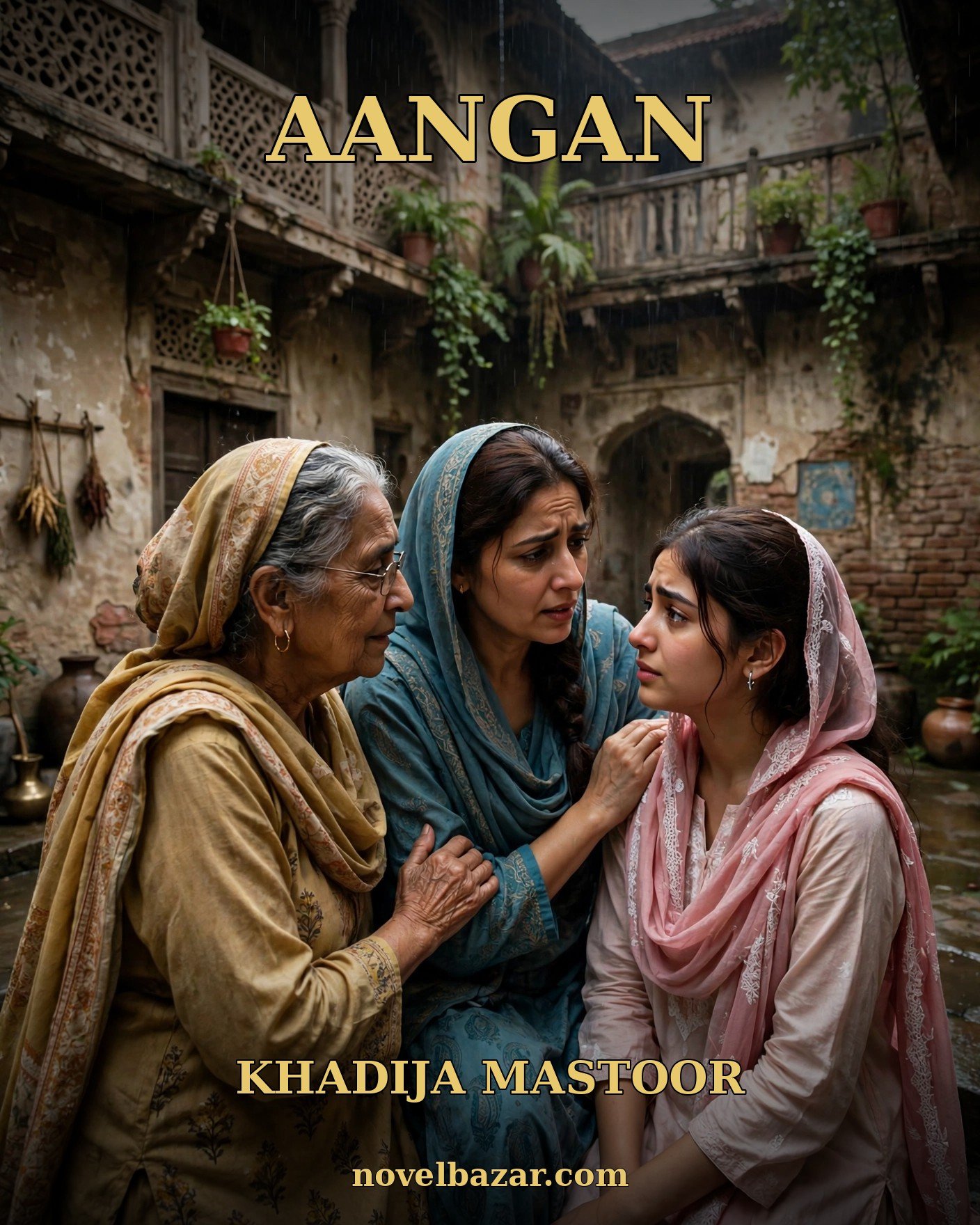
A classic novel of a household and its women, set against the politics and Partition of its time. History arrives here through domestic detail, through marriages, quarrels and loyalties inside one home, rather than through speeches or battles. Read it for a classic that is intimate before it is epic.
Read or download Aangan on NovelBazar
9. Basti by Intizar Hussain, novel
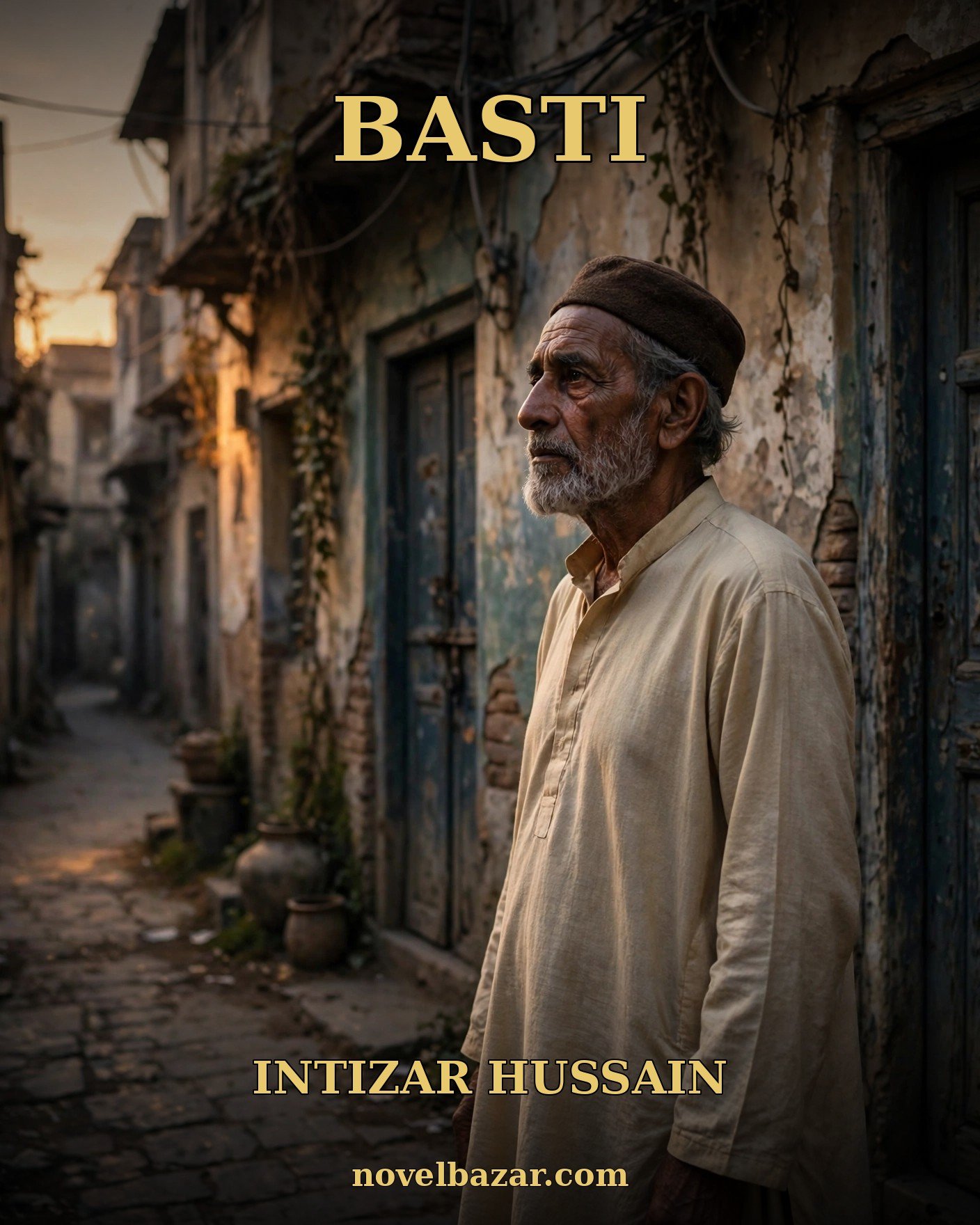
A novel of memory and displacement, in which the past keeps breaking into the present and refusing to stay past. It is a Partition novel that refuses simple nostalgia, and it asks what home means when the place you remember no longer exists in the form you remember it. Read it if you like reflective, layered fiction.
NovelBazar does not yet carry a separate post for this title, so this entry links to the NovelBazar homepage, the closest starting point on the site.
10. Bano by Razia Butt, novel
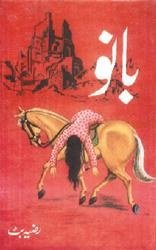
A Partition novel centred on Bano, whose life is remade by the violence and displacement of 1947. It later became the television drama Dastaan, but the novel stands on its own, and it should be read as a book first. Read it for a Partition story told through one woman's life, from start to finish.
Read or download Bano on NovelBazar
11. Khaak aur Khoon by Naseem Hijazi, historical novel
A Partition historical novel, not a romance. It follows the upheaval of 1947 through characters caught in a real historical catastrophe, and its interest is in what people do when the world around them collapses. Read it if you want Partition as history, not only as a love story.
Read or download Khaak aur Khoon on NovelBazar
12. Shaheen by Naseem Hijazi, historical novel (1948)
A historical novel set in Granada in 1492, in the last days of Muslim Spain, centred on the hero Badar bin Mughaira. Note that this is Naseem Hijazi's Shaheen, not the romantic novel of the same title by Umera Ahmed. Read it if you like adventure with a firm historical spine.
Read or download Shaheen on NovelBazar
13. Daastaan-e-Mujahid by Naseem Hijazi, historical novel
Hijazi's first novel, an Umayyad-period historical epic that moves across Spain, Sindh, Central Asia and the Maghreb. Its pleasure is sweep, the feeling of a whole world in motion, carried by heroes who travel between continents and causes. Read it if you like early Islamic history told as adventure.
Read or download Daastaan-e-Mujahid on NovelBazar
14. Aur Talwar Toot Gai by Naseem Hijazi, historical novel
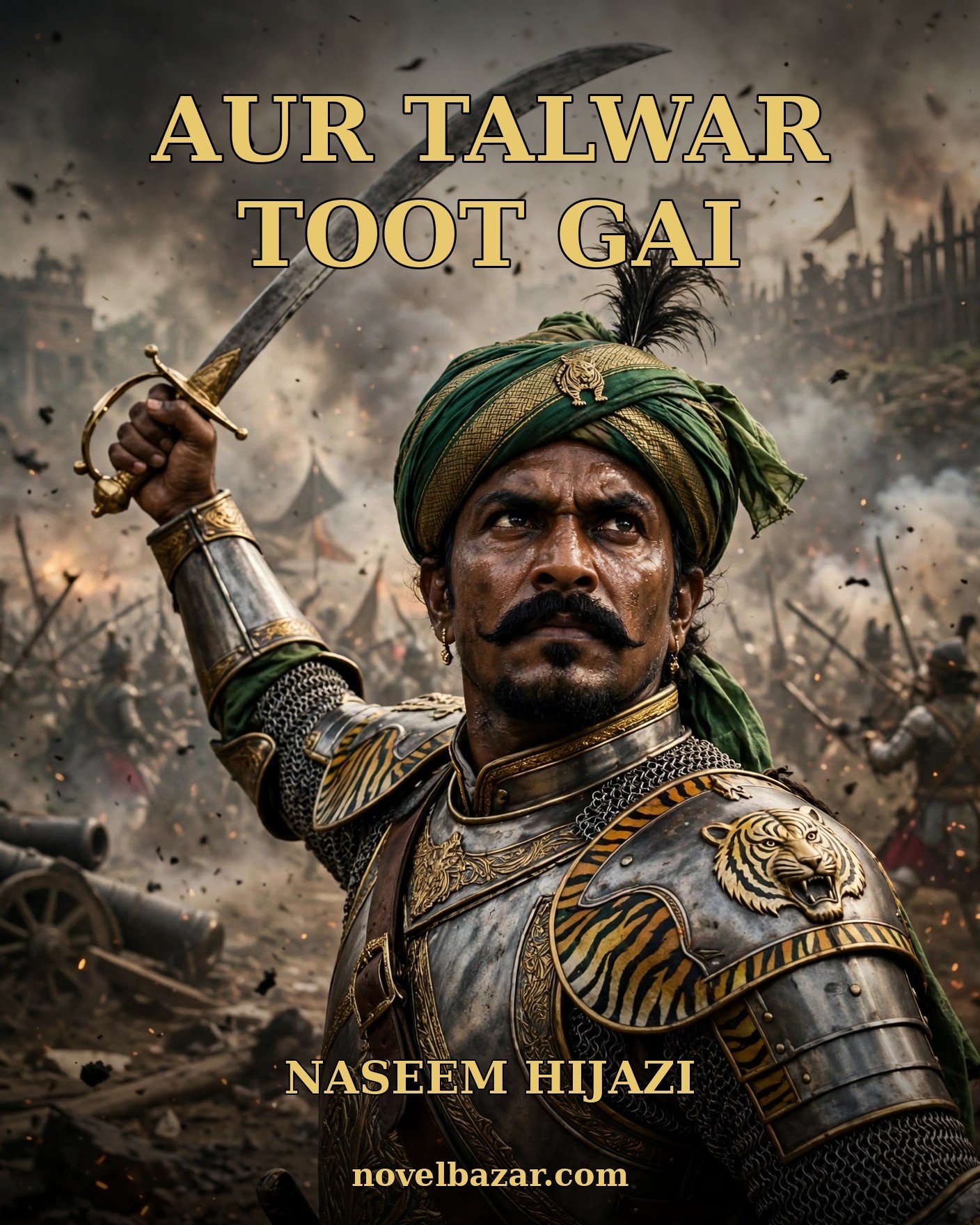
A historical novel set against the fall of Muslim rule in India, and a sequel in spirit to Hijazi's earlier work. Its title, the sword broke, gives its mood, which is elegiac rather than triumphant. Read it after Shaheen and Daastaan-e-Mujahid, when Hijazi's world has already caught you.
Read or download Aur Talwar Toot Gai on NovelBazar
15. Yousuf bin Tashfin by Naseem Hijazi, historical novel
A historical novel about Yusuf ibn Tashfin and the Battle of Zallaqa (1086), when Muslim Spain called for help from North Africa. It is the most military of Hijazi's books on this list, and it suits readers who like strategy and battle inside a novel's frame. Read it if you want history with its armour on.
Read or download Yousuf bin Tashfin on NovelBazar
16. Manto Nama by Saadat Hasan Manto, collection
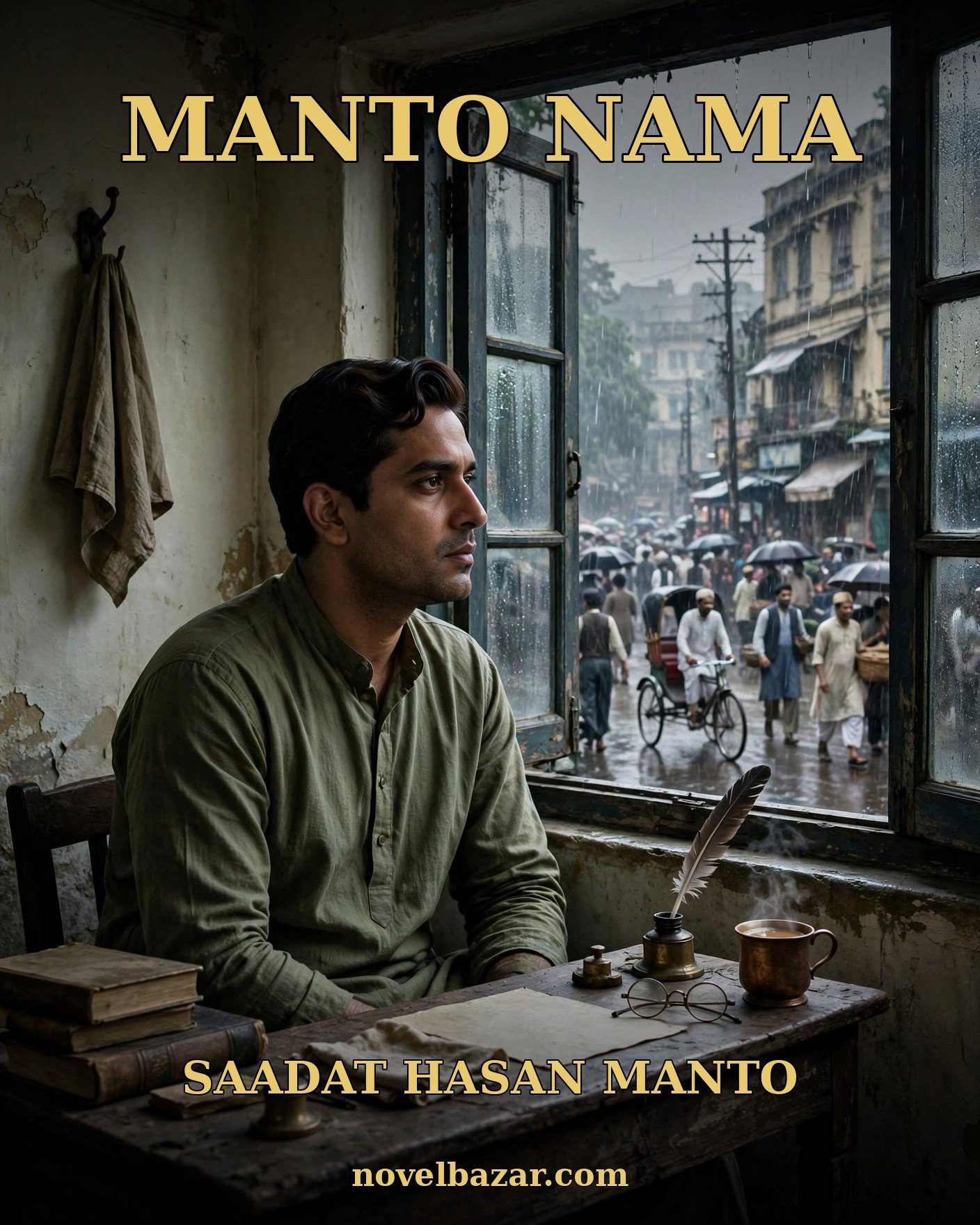
A collection centred on Manto, the most famous short-story writer in Urdu, whose stories about Partition remain unmatched for bluntness. Manto does not soften what he saw, and that refusal is why he still divides readers. Read it if you want to understand why Manto's name comes up in every serious argument about Urdu fiction.
Read or download Manto Nama on NovelBazar
17. Toba Tek Singh by Saadat Hasan Manto, short story (afsana)
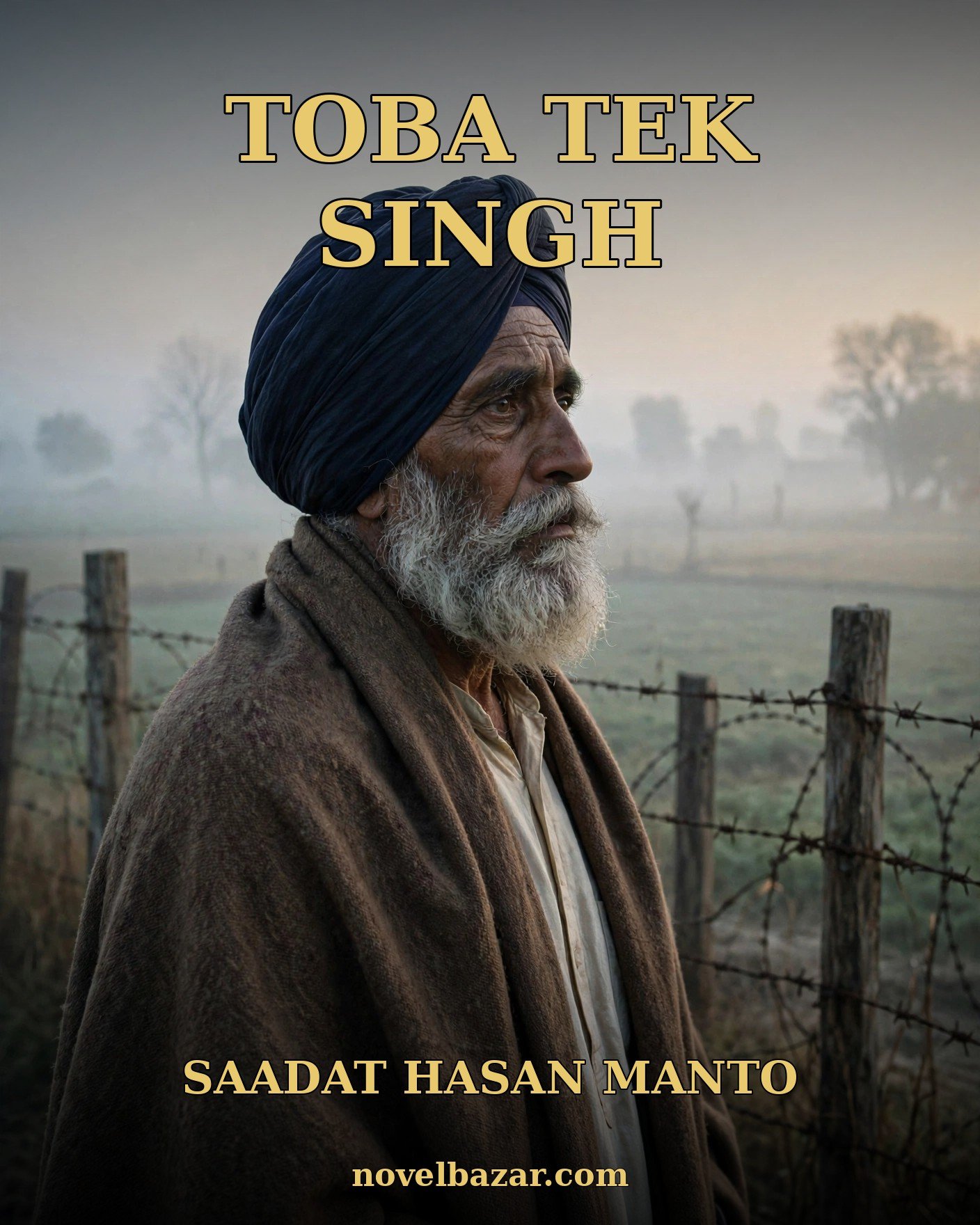
Manto's most famous short story, about inmates of a mental asylum at Partition who cannot understand which country they belong to. It is a story, not a novel, and it can be read in one sitting. Its first-edition year is disputed in the sources, so neither candidate year is asserted here. Read it if you have twenty minutes and want one story that explains Partition better than many novels.
Read or download Toba Tek Singh on NovelBazar
18. Gadaria by Ashfaq Ahmed, short story (afsana)
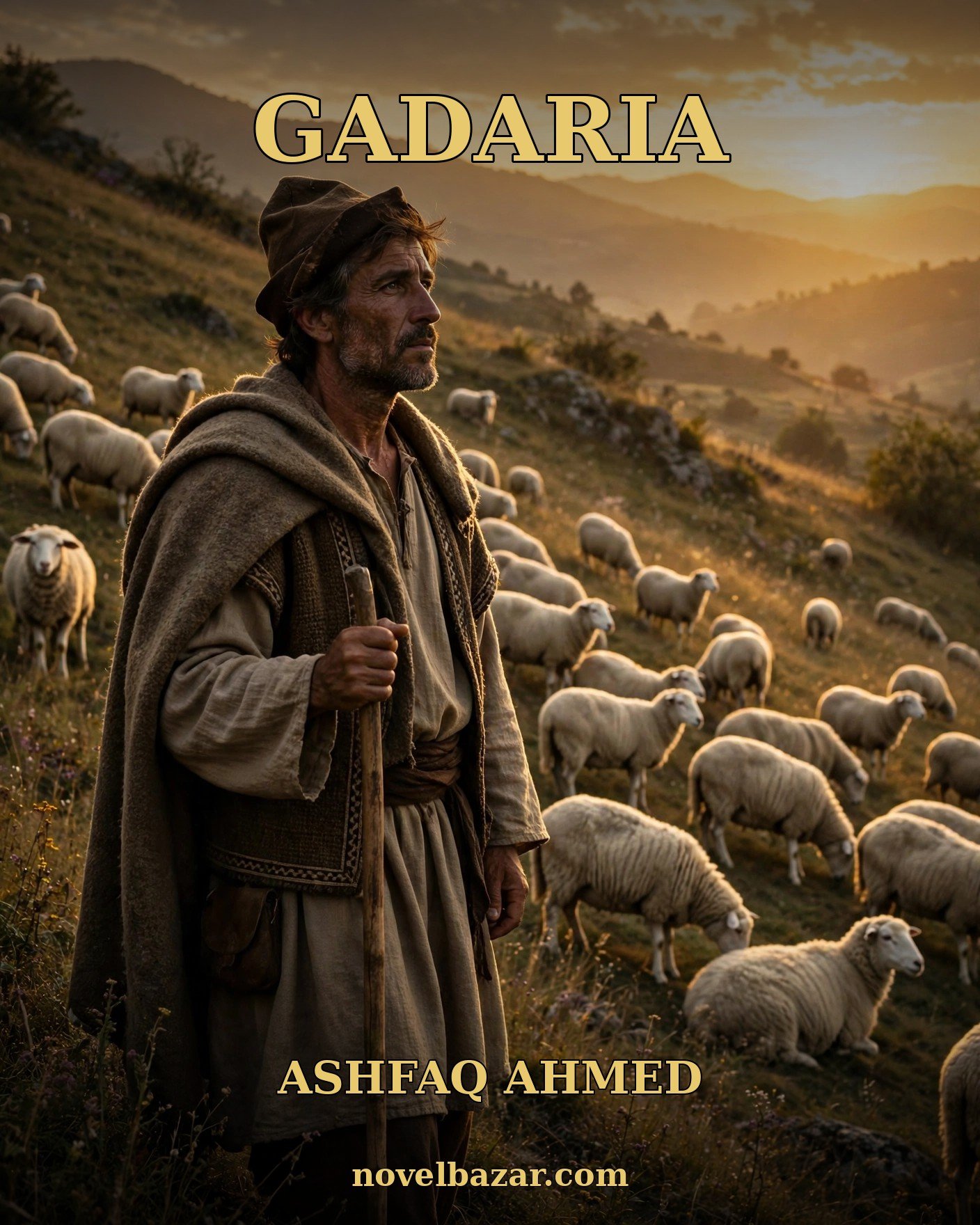
The title story of Ashfaq Ahmed's collection, about a shepherd whose simplicity exposes the cleverness of the world around him. It is a short story, not a standalone novel, and it belongs to the world before Partition as remembered afterwards. Read it if you like Ashfaq Ahmed's wisdom tales in their shortest, sharpest form.
Read or download Gadaria on NovelBazar
19. Ya Khuda by Qudratullah Shahab, novelette
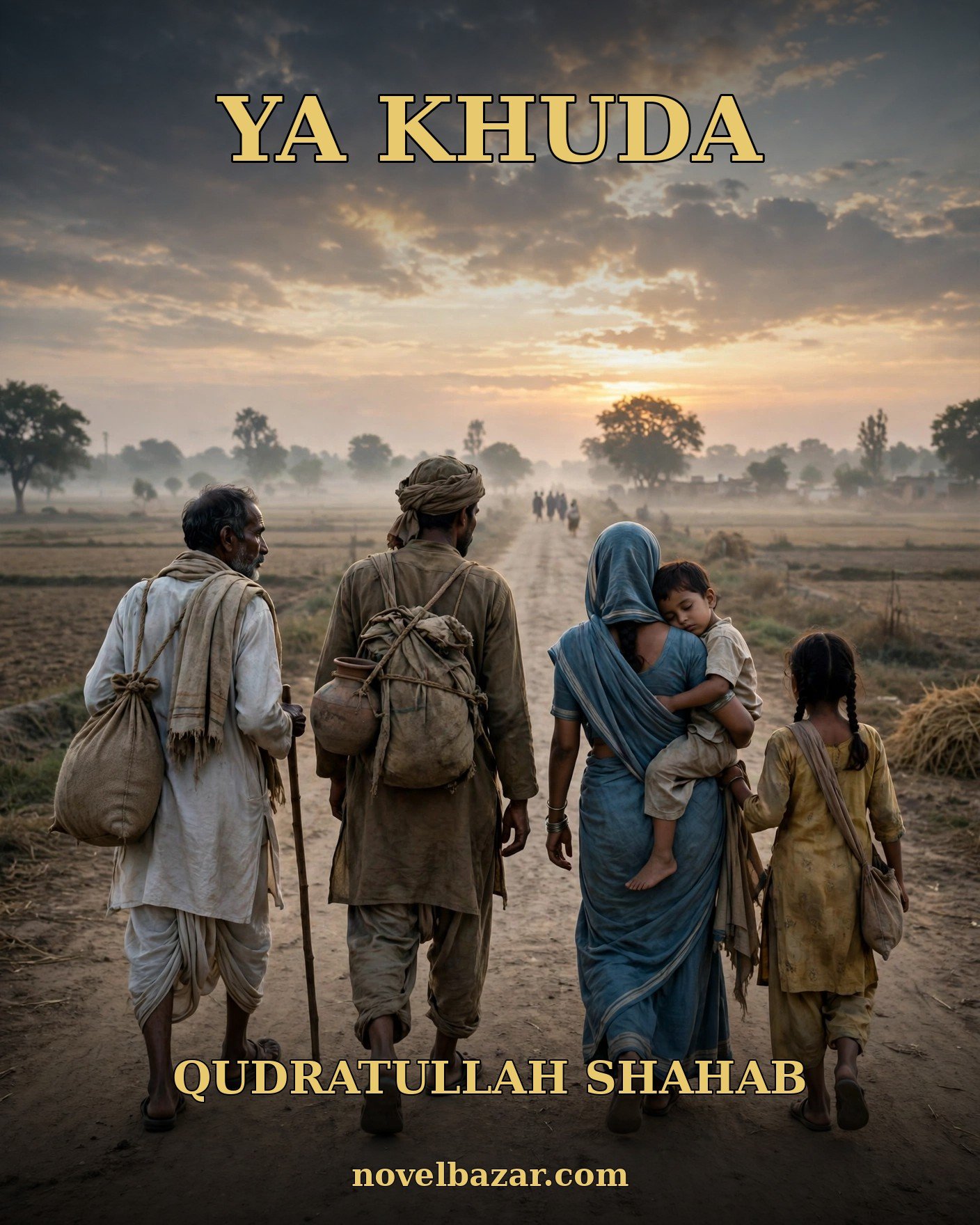
A novelette by Qudratullah Shahab, first published in a 1948 journal issue, about a Partition journey told at theme level. It is a novelette, not a full novel, and its length is its virtue, because it carries a whole journey in a single sitting. Read it if you want Shahab's Partition writing without committing to a long book.
Read or download Ya Khuda on NovelBazar
20. Maan Ji by Qudratullah Shahab, short-story collection
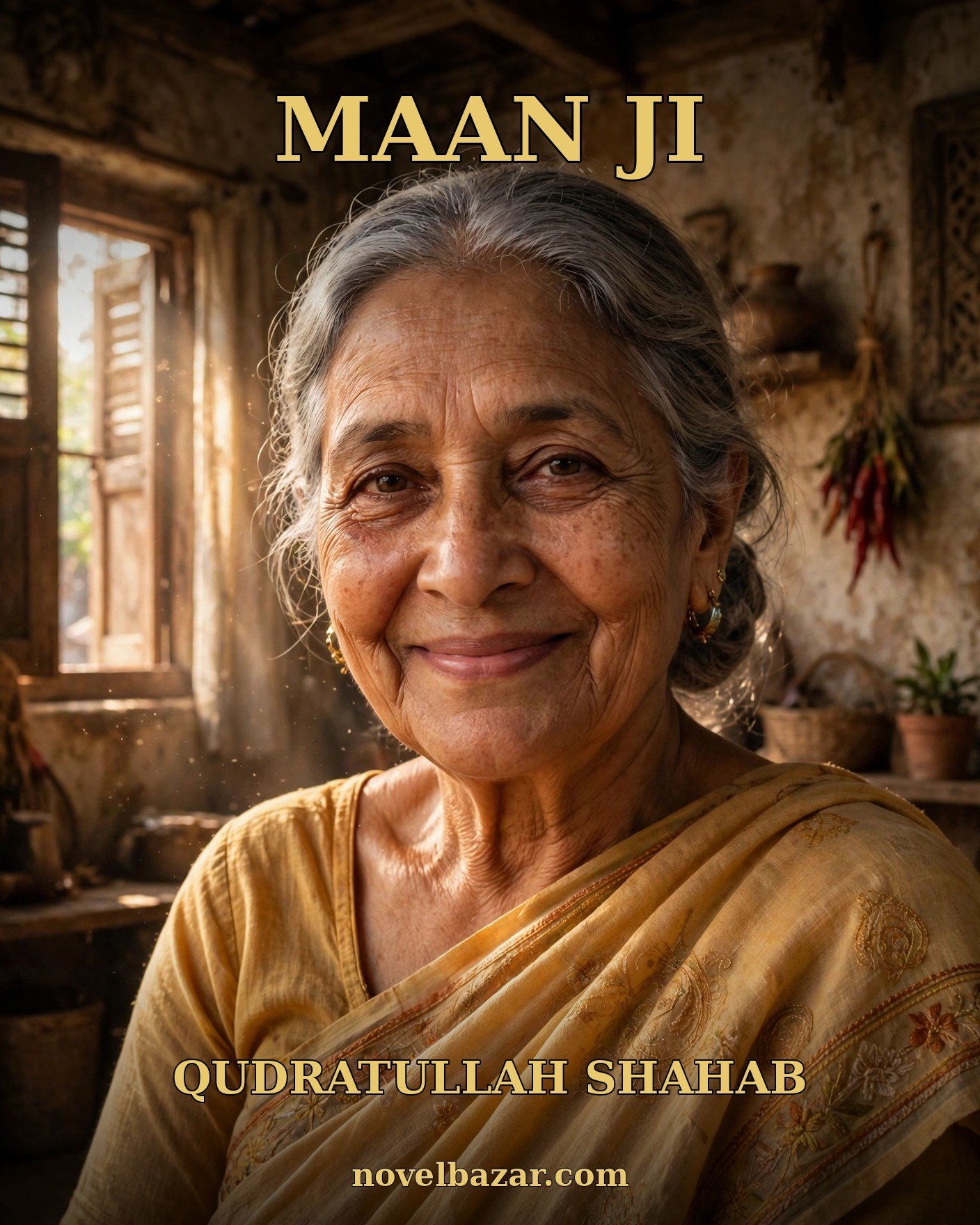
A short-story collection by Qudratullah Shahab, named for its title story Maaji. It is a collection, not a single novel, so it should be read a story at a time, with pauses between them. Read it if you want Shahab's storytelling in short form, where each piece stands on its own.
Read or download Maan Ji on NovelBazar
21. Zarguzasht by Mushtaq Ahmad Yousufi, humour and essays
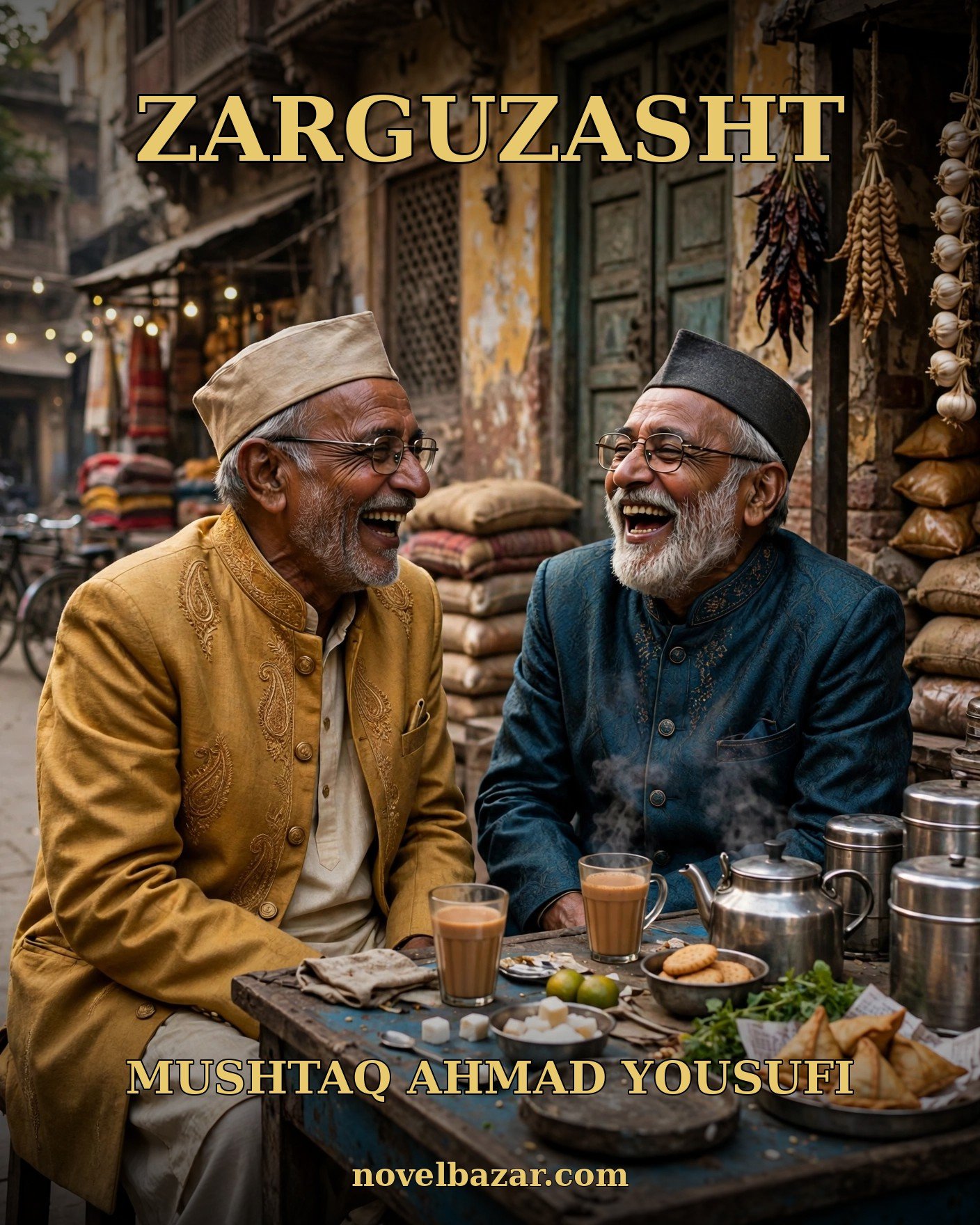
Yousufi's celebrated humorous writing, full of wit, satire and observation in prose that readers quote for years afterwards. His humour is digressive and learned, and it works by letting a small observation grow until it becomes a judgement on a whole way of life. Read it if you want to laugh and think at the same time.
Read or download Zarguzasht on NovelBazar
22. Dareechay by Shafiq ur Rahman, humour book (1989)
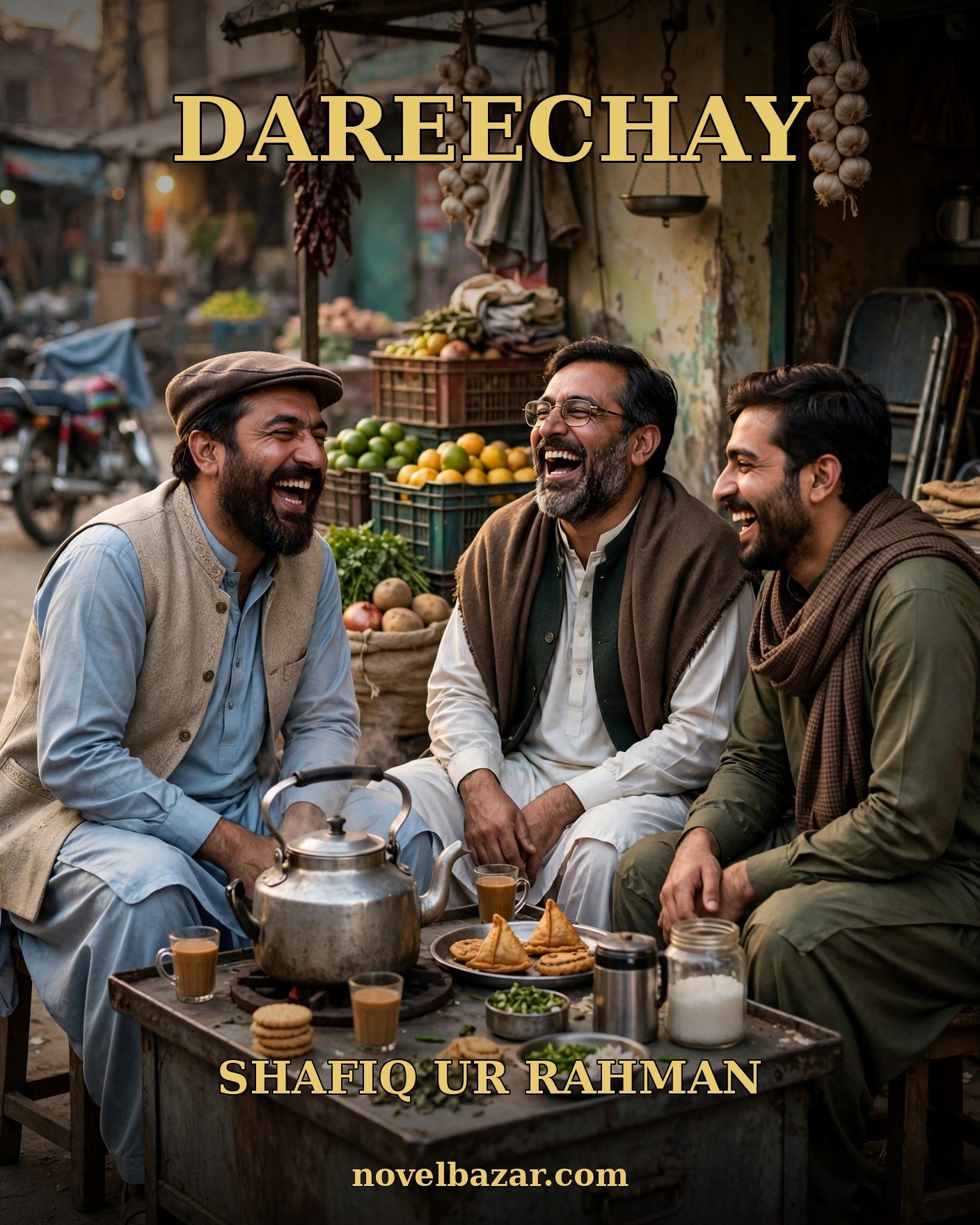
A humour book of short pieces and essays, not a novel and not a romance. Note that a different book of the same title by Wasif Ali Wasif exists, and this entry is Shafiq ur Rahman's book. Its pieces are windows onto ordinary life, quick, humane and funny. Read it if you like gentle comedy that never turns cruel.
Read or download Dareechay on NovelBazar
23. Mazeed Hamaqatain by Shafiq ur Rahman, humorous essays
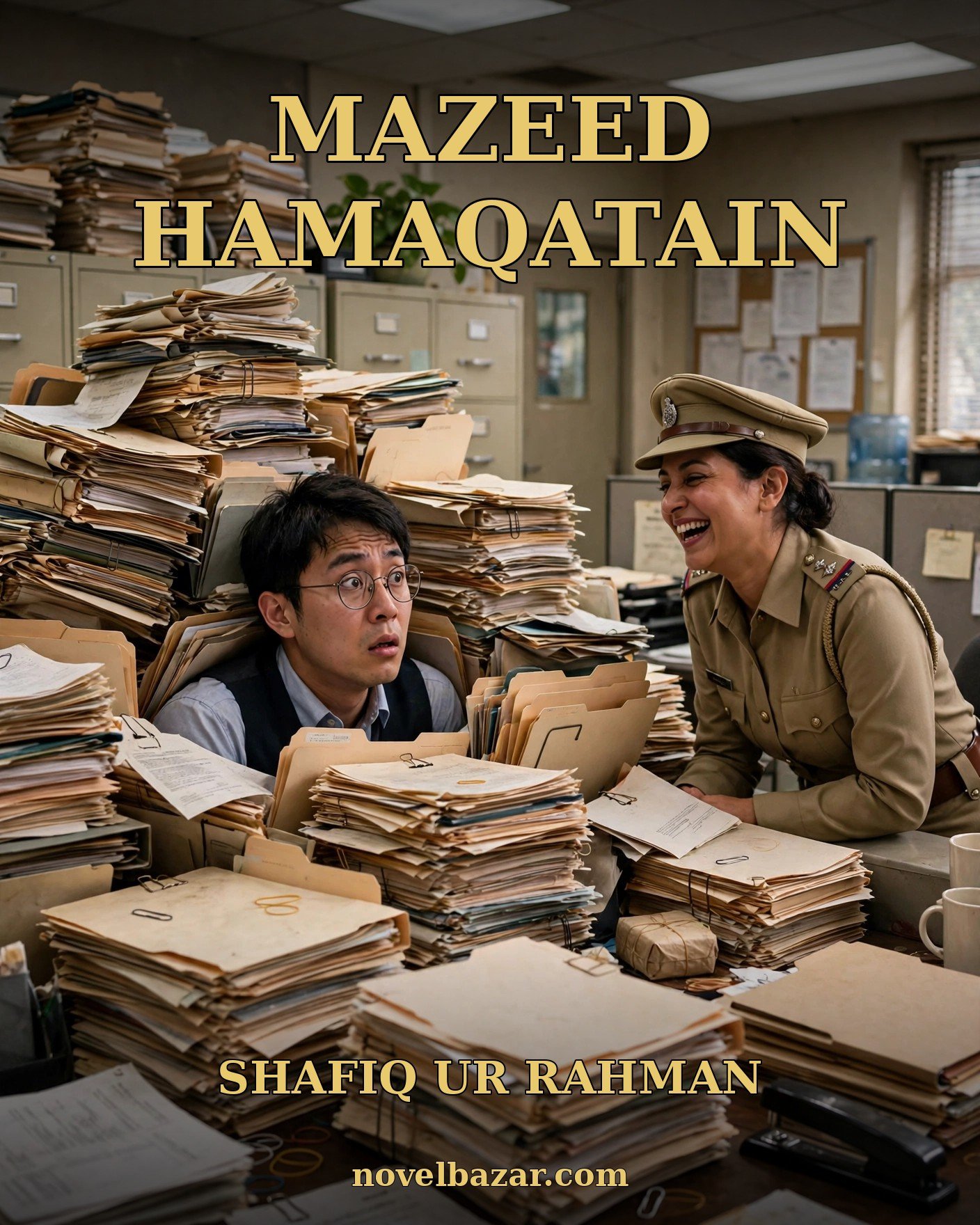
A humorous essay collection by Shafiq ur Rahman, a companion to his earlier Hamaqatain. Its first-edition year is disputed, so neither candidate year is asserted here. The essays keep the same method, taking a folly of everyday life and turning it until its humour shows. Read it if Dareechay made you a fan and you want more of the same voice.
Read or download Mazeed Hamaqatain on NovelBazar
24. Bazm Araiyan by Muhammad Khan, humour collection (1980)

A humour collection by the author of Bajang Amad, full of the same wit in shorter pieces. It is a collection, not a novel, so there is no single plot to follow, only a succession of comic scenes and observations. Read it if you like Muhammad Khan's humour without a long narrative.
Read or download Bazm Araiyan on NovelBazar
25. Bajang Amad by Muhammad Khan, memoir
A humorous autobiographical memoir of the Second World War by Colonel Muhammad Khan, first published in 1966. It is a memoir, never a fictional novel, and its comedy comes from a soldier's eye for absurdity in the middle of war. Read it if you want a soldier's war told with laughter rather than solemnity.
Read or download Bajang Amad on NovelBazar
26. Zaviya 3 by Ashfaq Ahmed, essays and talks, volume 3
The third volume of Ashfaq Ahmed's Zaviya series, essays drawn from his television talks. It is not a novel, and it should not be read as one. Its pieces answer questions about life, faith and character in a direct, conversational voice. Read it if you like Ashfaq Ahmed's reflections, and dip into it rather than reading it straight through.
Read or download Zaviya 3 on NovelBazar
27. Dil Darya Samandar by Wasif Ali Wasif, essays and reflections
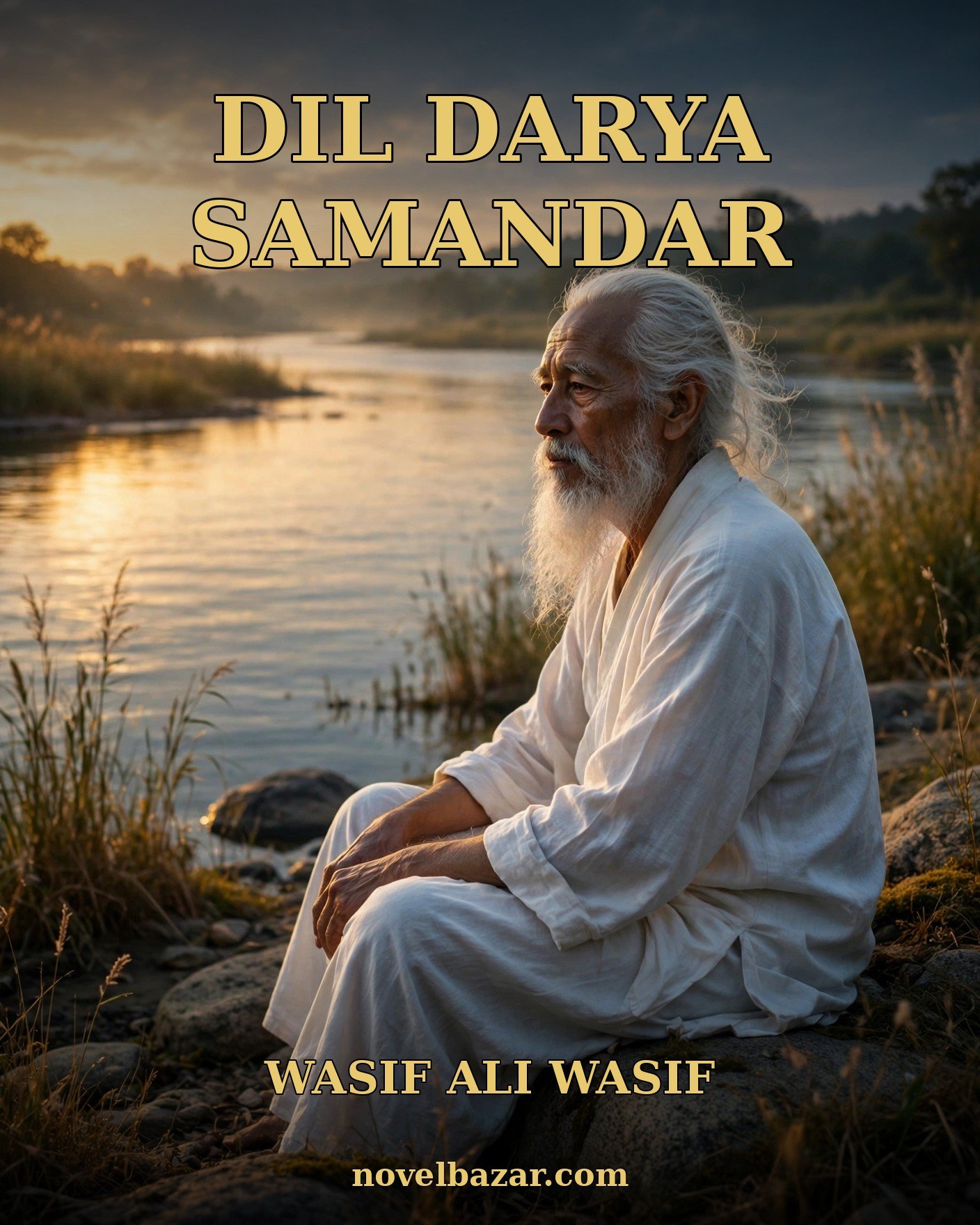
A collection of essays and reflections in prose by Wasif Ali Wasif, not a novel and not poetry. Its pieces are short and aphoristic, the kind of writing you can open anywhere and close after a page. Read it if you like wisdom in small doses, one reflection at a time.
Read or download Dil Darya Samandar on NovelBazar
Era three: the modern shelf
This is the room most new readers enter first, and there is nothing wrong with that. The modern shelf is where contemporary Urdu romance, social fiction, poetry and travel writing live, and its books are written to be picked up easily and finished eagerly. Its authors dominate reader requests, and their books are the ones friends recommend to friends.
The modern shelf is also wider than romance alone. It holds a beloved modern poetry collection, a travelogue of Andalusia, an afterlife novel that takes faith seriously, and short works by the same authors who write the long novels. A reader who only visits the romance corner of this room will miss half of what the modern shelf offers.
28. Aab-e-Hayat by Umera Ahmed, novel
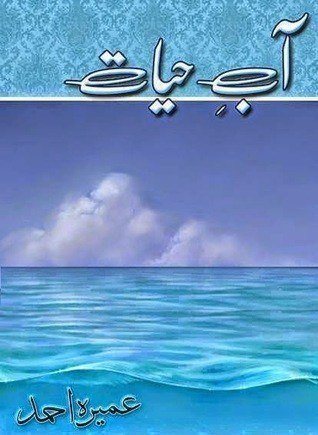
The sequel to Peer-e-Kamil, following its characters into married life, parenthood and the test of ideals in ordinary days. It is long and character driven, and it works best when you already care about the people in it. Read it after Peer-e-Kamil, or on its own if you like long contemporary fiction that stays close to its characters.
Read or download Aab-e-Hayat on NovelBazar
29. Yaaram by Sumaira Hameed, novel

A contemporary romantic novel that has stayed popular with readers for years. It is a good entry point into modern Urdu romance, emotional, fast moving and easy to pick up. Read it first if you are new to the modern shelf and want a book that will not make you work for its pleasures.
Read or download Yaaram on NovelBazar
30. Beli Rajputan Ki Malika by Nimra Ahmed, novel
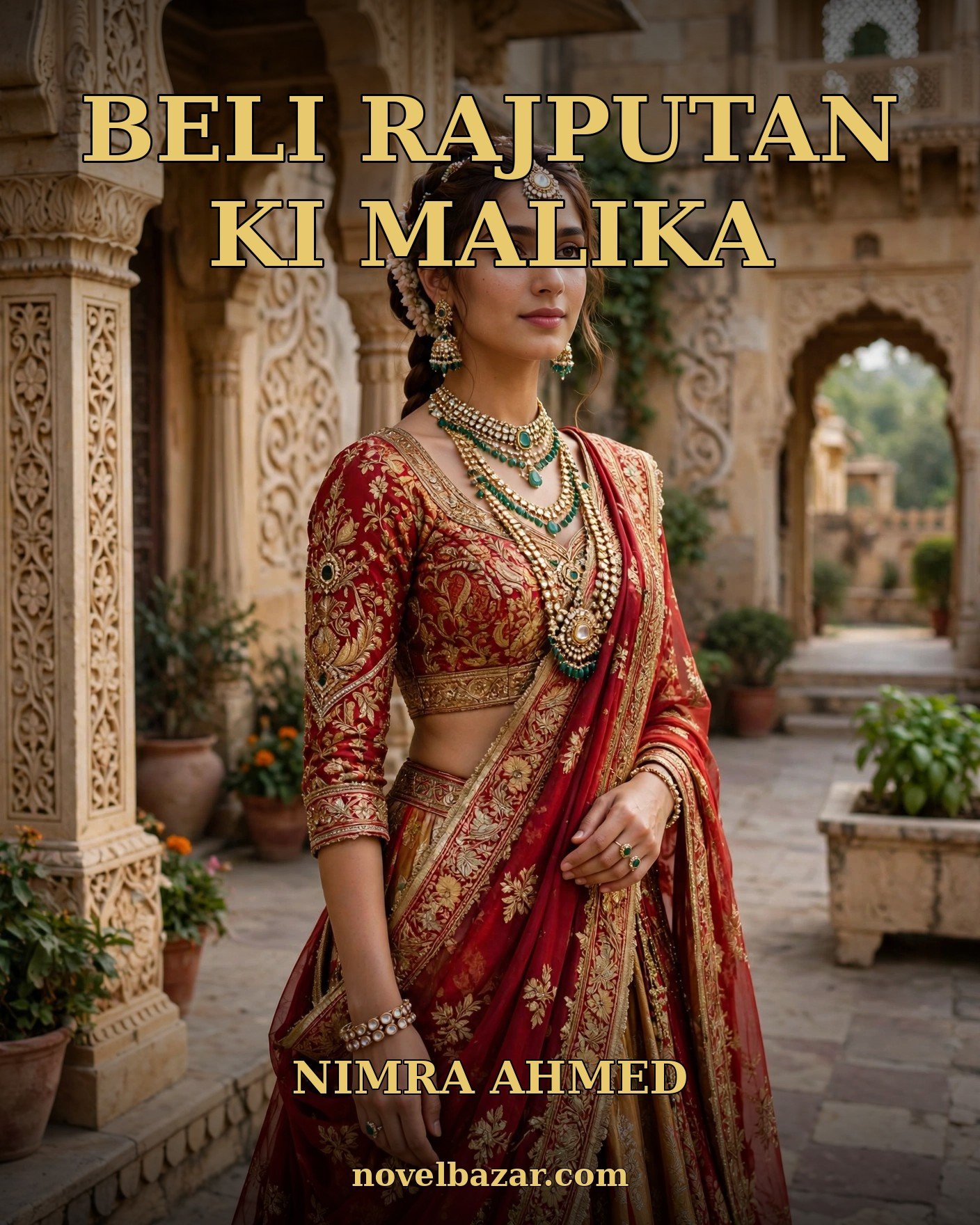
A romantic novel with a strong, distinctive heroine and a royal Rajput setting. Its pleasures are drama, pride and high stakes, and its heroine carries the story rather than merely decorating it. Read it if you like romance with a courtly backdrop and a heroine who holds her ground.
Read or download Beli Rajputan Ki Malika on NovelBazar
31. Ishq Ka Ain by Aleem Ul Haq Haqqi, novel
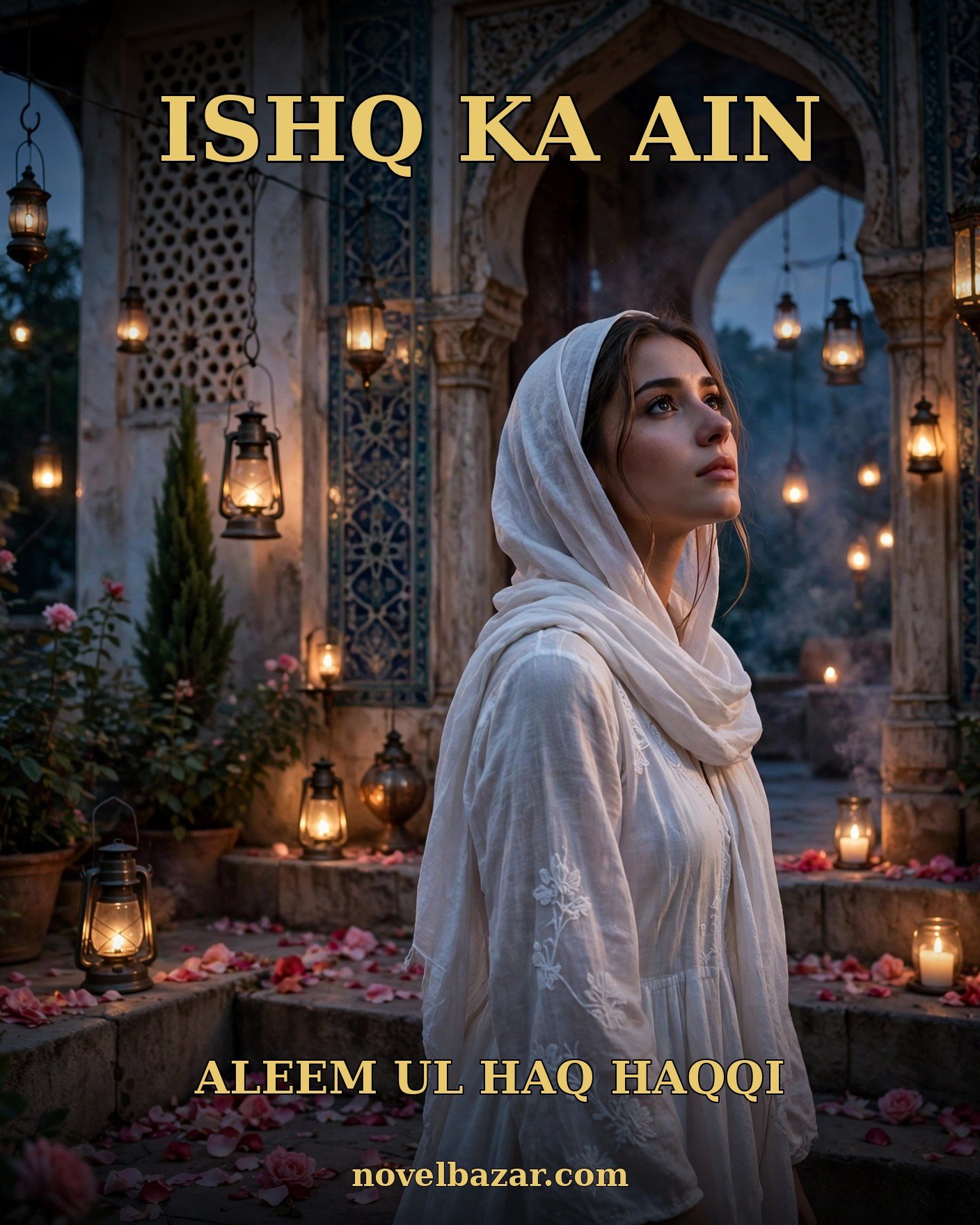
A romantic novel whose title plays on love as both a word and a law of life. It is the kind of book that rewards readers who like their romance to carry an idea as well as a feeling. Read it if you want a modern romance with a philosophical edge.
NovelBazar does not yet carry a separate post for this title, so this entry links to the Romantic Urdu Fiction section of NovelBazar, the closest shelf on the site.
Visit Romantic Urdu Fiction on NovelBazar
32. Diyar-e-Dil by Farhat Ishtiaq, novel
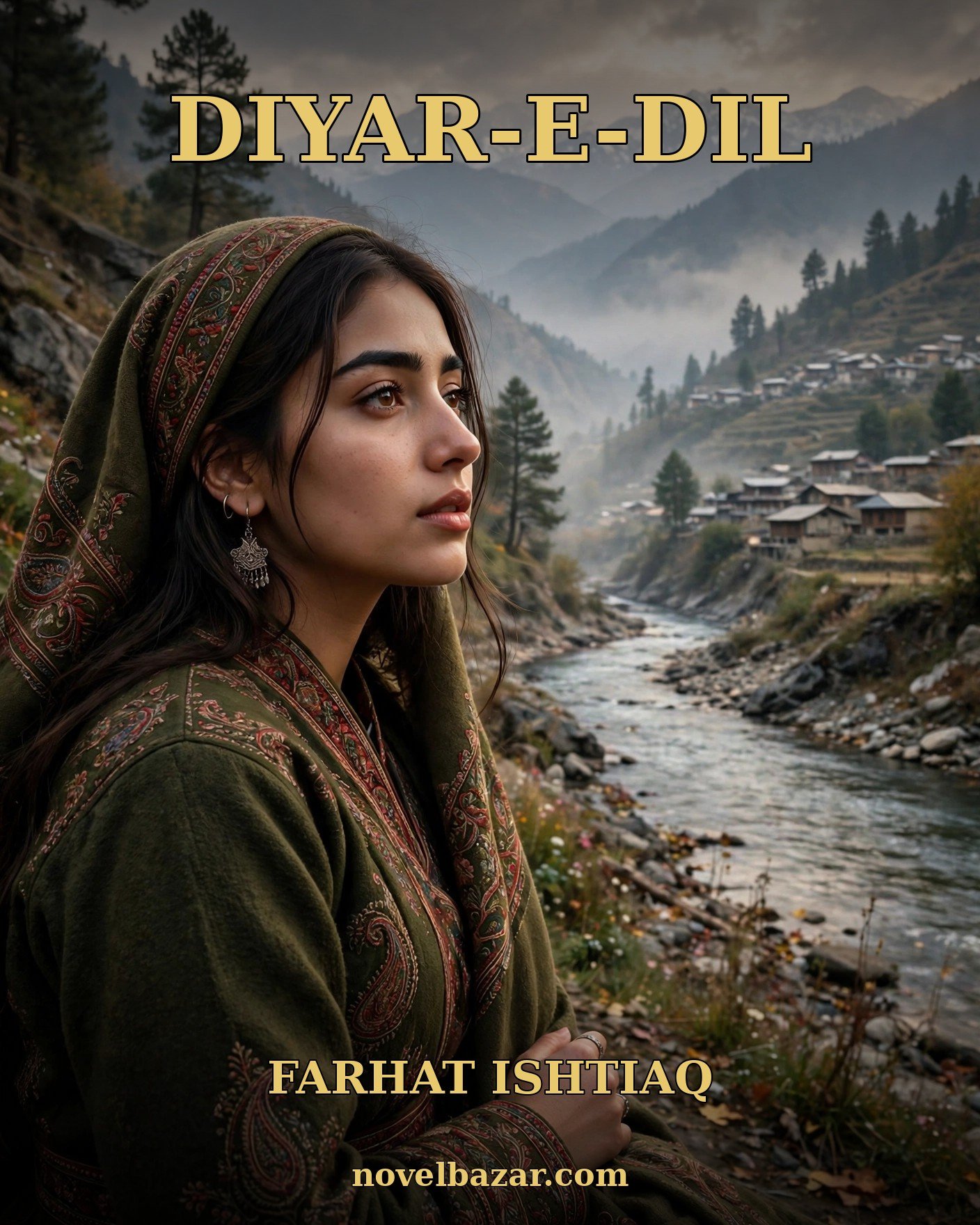
A family romantic novel about love, estrangement and return across generations. Farhat Ishtiaq's family dramas are among the most adapted in Urdu fiction, and this one shows why, because its emotions belong to a whole family rather than to one couple alone. Read it if you like emotional family stories.
NovelBazar does not yet carry a separate post for this title, so this entry links to the Farhat Ishtiaq Novels List on NovelBazar, the closest author shelf on the site.
Visit Farhat Ishtiaq Novels List on NovelBazar
33. Woh Jo Qarz Rakhtay Thay by Farhat Ishtiaq, novel
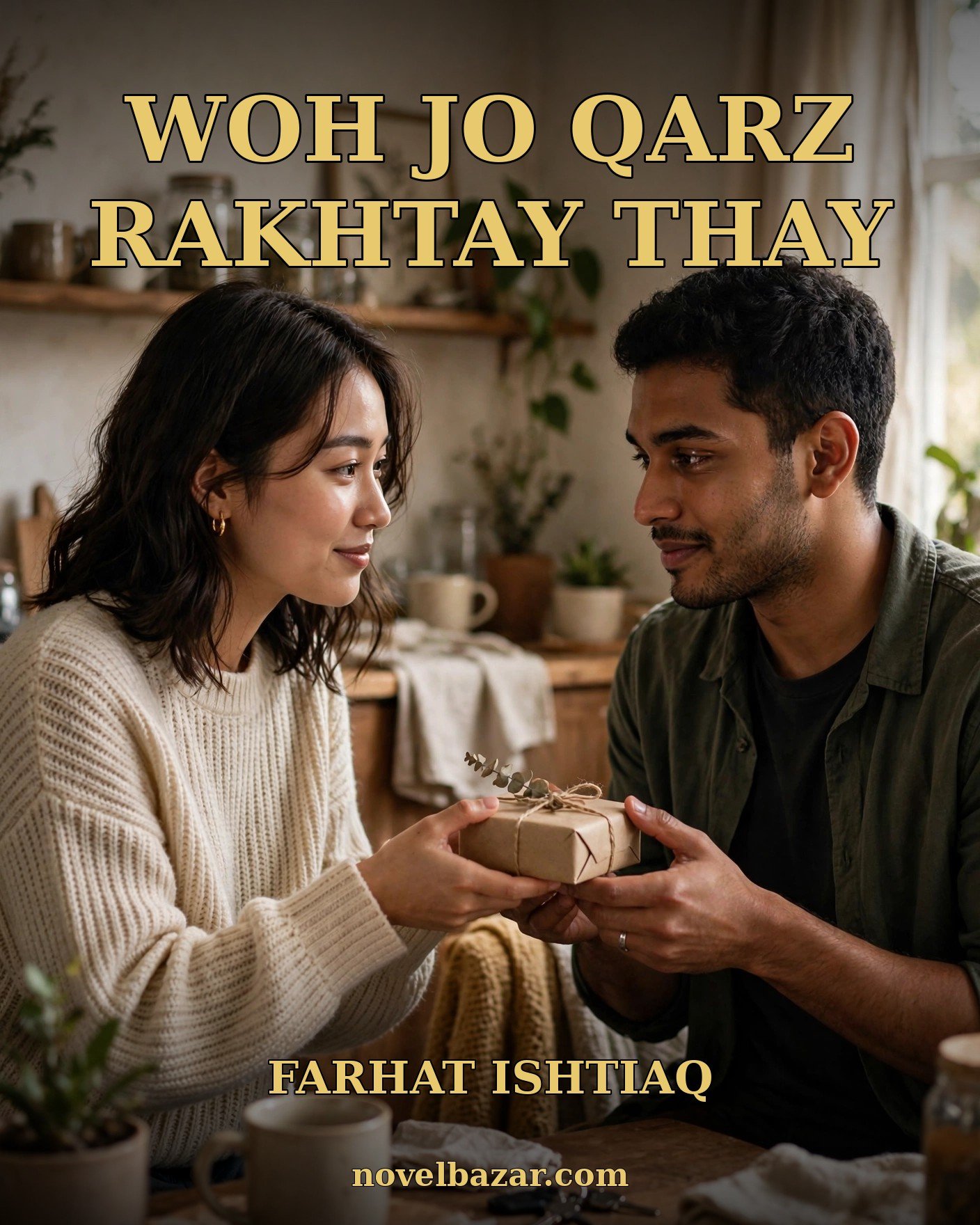
A romantic novel about debts of love and loyalty that outlive the people who made them. Its tone is mature and restrained, and its interest lies in what characters owe each other long after the moment of promise has passed. Read it if you like Farhat Ishtiaq at her most thoughtful.
Read or download Woh Jo Qarz Rakhtay Thay on NovelBazar
34. Mere Humdum Mere Dost by Farhat Ishtiaq, novel
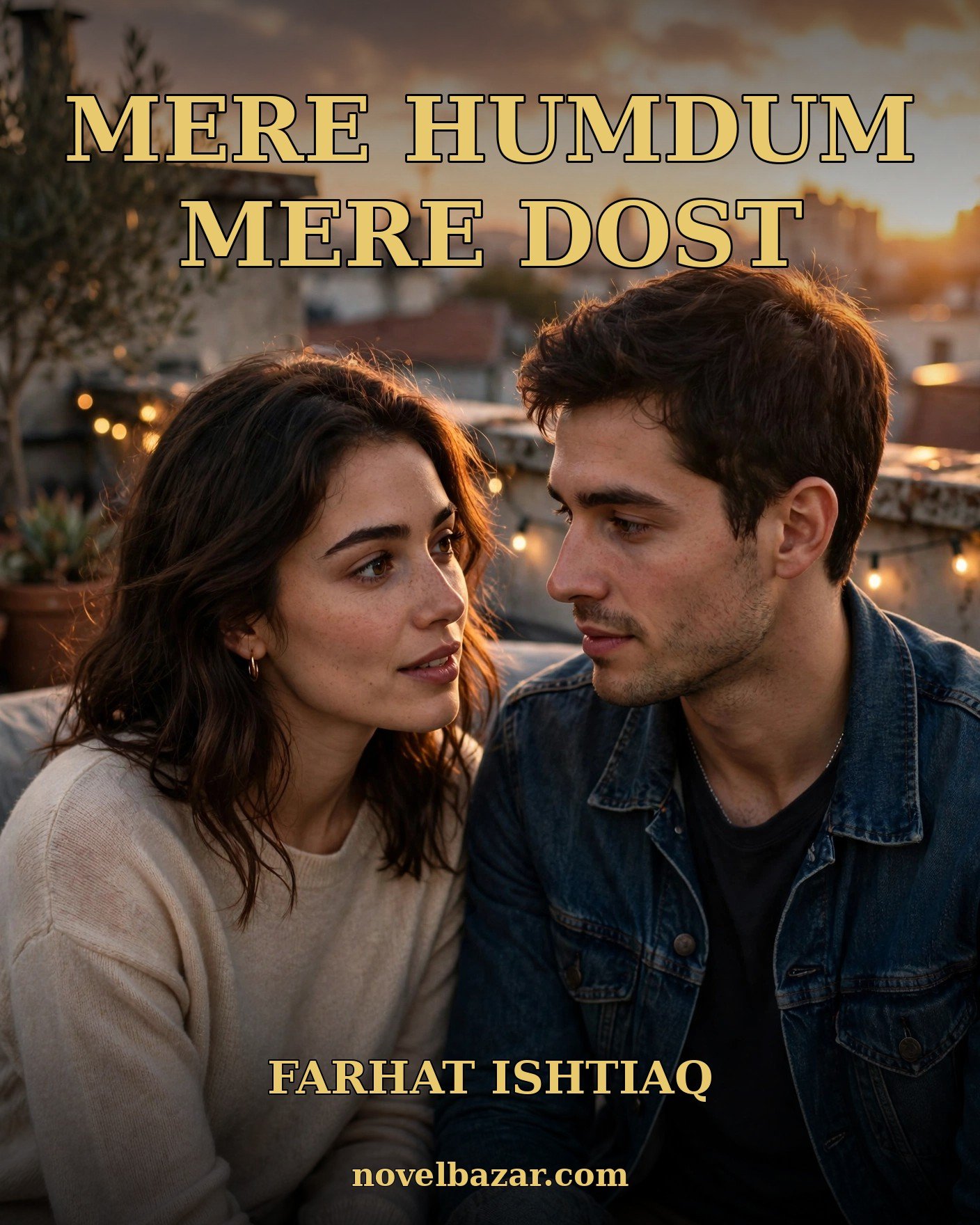
A contemporary romantic novel about friendship turning into love, and the complications that follow when a friendship has to carry a new weight. It is lighter and warmer than the author's family epics, and it suits readers who want romance without tragedy. Read it for a gentler Farhat Ishtiaq.
NovelBazar does not yet carry a separate post for this title, so this entry links to the Farhat Ishtiaq Novels List on NovelBazar, the closest author shelf on the site.
Visit Farhat Ishtiaq Novels List on NovelBazar
35. Dil Se Niklay Hain Jo Lafz by Farhat Ishtiaq, novel
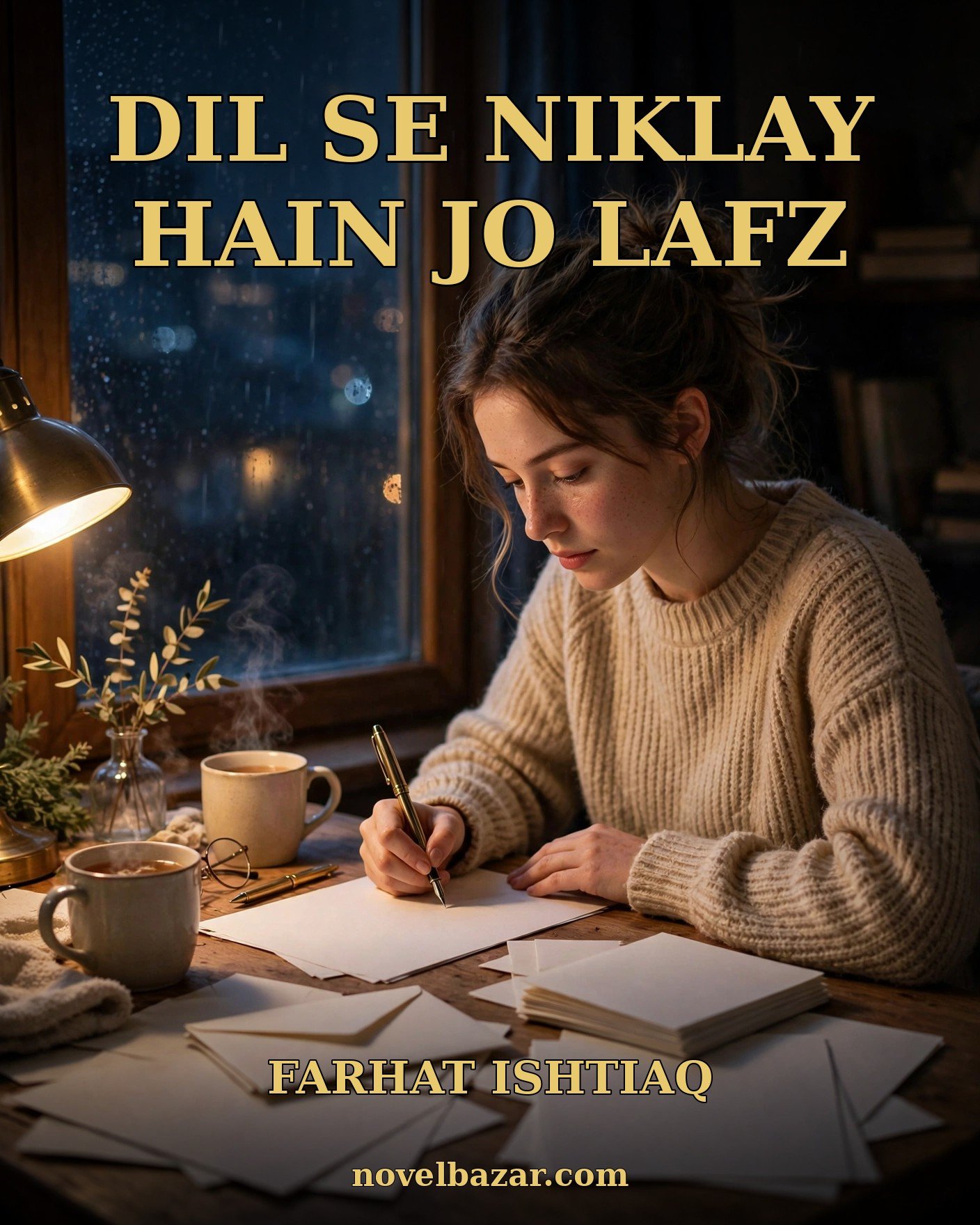
A romantic novel in Farhat Ishtiaq's familiar register, feelings stated plainly and relationships tested slowly. It is a good book to read after her better known novels, when you want more of the same voice and are happy to stay inside it. Read it if you have already read her famous books and want another.
Read or download Dil Se Niklay Hain Jo Lafz on NovelBazar
36. Qaid-e-Tanhai by Umera Ahmed, novel
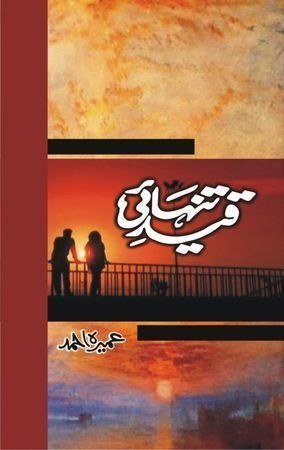
A novel about loneliness inside relationships, and the choices people make when closeness starts to feel like a cage. Its interest is psychological rather than eventful, and it suits readers who like Umera Ahmed's quieter, more inward side. Read it if you want a novel about feeling trapped by love itself.
Read or download Qaid-e-Tanhai on NovelBazar
37. Bas Ik Dagh-e-Nadamat by Umera Ahmed, novel
A short novel about regret, one stain, one mistake, and a life lived in its shadow. Its brevity is its strength, because it never lets the reader look away from the single fact at its centre. Read it if you want Umera Ahmed in a compact, intense form.
Read or download Bas Ik Dagh-e-Nadamat on NovelBazar
38. Thora Sa Aasman by Umera Ahmed, novel
A novel about a woman asking for a little sky of her own, dignity, space and a life not entirely defined by others. Its feminist theme is handled with restraint, and its power comes from small refusals rather than grand speeches. Read it for a quiet novel about a large claim.
Read or download Thora Sa Aasman on NovelBazar
39. Husna aur Husan Aara by Umera Ahmed, novel
A novel built around two women and the contrast between their lives and choices. Like Mirat ul Uroos in the foundations room, it uses a pair of heroines to ask how different choices lead to different lives, but it does so in a fully modern setting. Read it if you like Umera Ahmed's paired heroine stories.
Read or download Husna aur Husan Aara on NovelBazar
40. Muthi Bhar Mitti by Umera Ahmed, novel
A novel whose title, a handful of dust, points to what remains when everything else is taken away. It is elegiac in mood, and it suits readers who like Umera Ahmed when she writes about loss rather than about romance. Read it for her most sorrowful register.
Read or download Muthi Bhar Mitti on NovelBazar
41. Aao Hum Pehla Qadam Dhartay Hain by Umera Ahmed, novel
A novel about taking the first step, courage, initiative and the moment a life changes direction. It is hopeful and forward looking, and it makes a good antidote after the heavier books on this list. Read it if you like fiction that leaves you ready to act.
Read or download Aao Hum Pehla Qadam Dhartay Hain on NovelBazar
42. Iblees by Nimra Ahmed, novel
A romantic and suspenseful novel in Nimra Ahmed's popular mode, with secrets, tension and strong emotions. Its plot moves quickly, and its romance is carried by suspense rather than by quiet feeling. Read it if you like her thrillers with a romantic core.
Read or download Iblees on NovelBazar
43. Sans Sakin Thi by Nimra Ahmed, novel
A novel about a life held still by grief and circumstance, and the slow return of breath and feeling. It is quieter than Iblees, and its interest is emotional rather than suspenseful. Read it for Nimra Ahmed's emotional register rather than her suspense.
Read or download Sans Sakin Thi on NovelBazar
44. Jo Chaley Tou Jaan Se Guzar Gaye by Maha Malik, novel
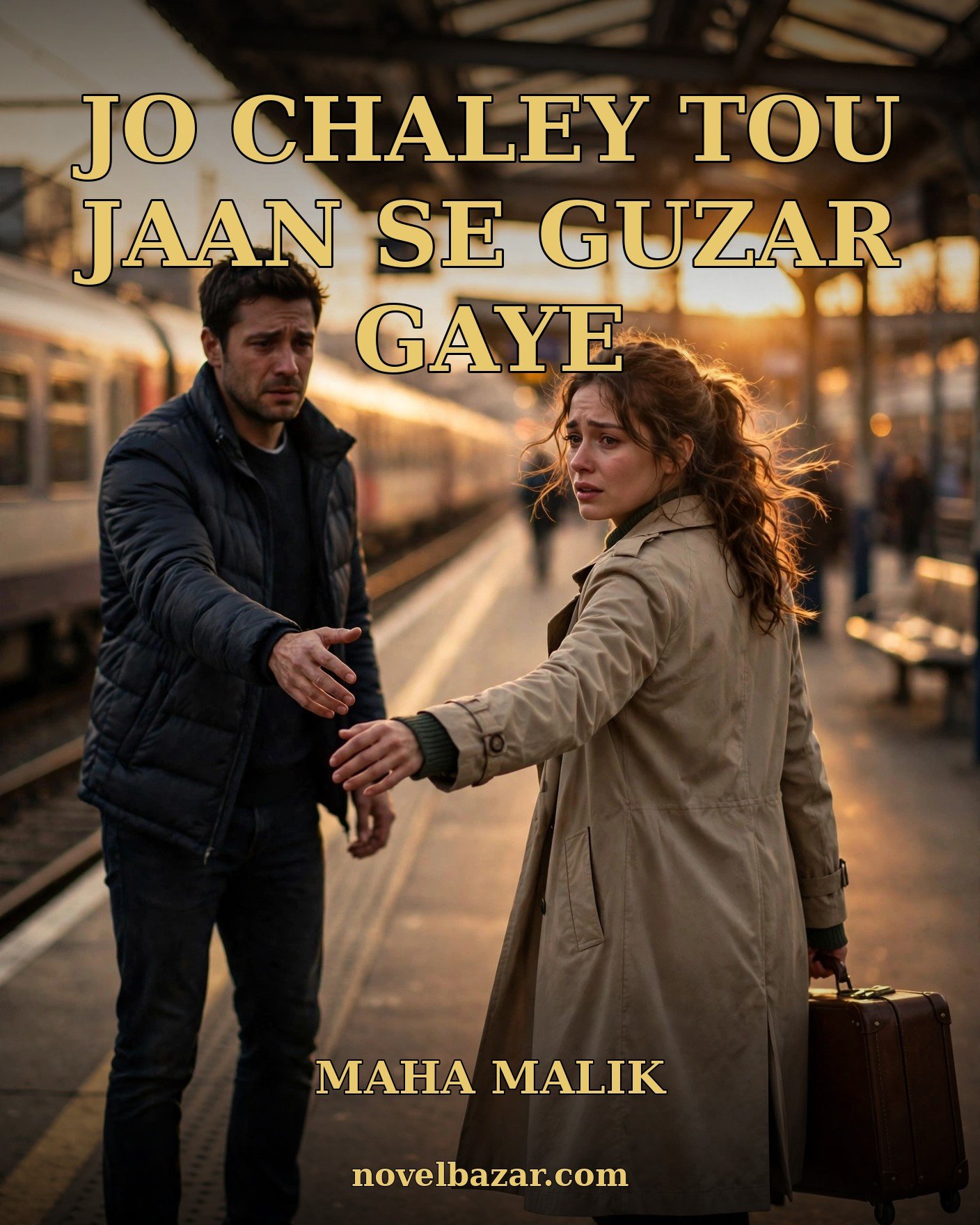
A contemporary social romantic novel, later adapted for television. Its romance is set against a strong social backdrop, and its characters have to negotiate family and society as well as each other. Read it if you like modern romantic drama with a world around it.
Read or download Jo Chaley Tou Jaan Se Guzar Gaye on NovelBazar
45. Bachpan Ka December by Hashim Nadeem, novel
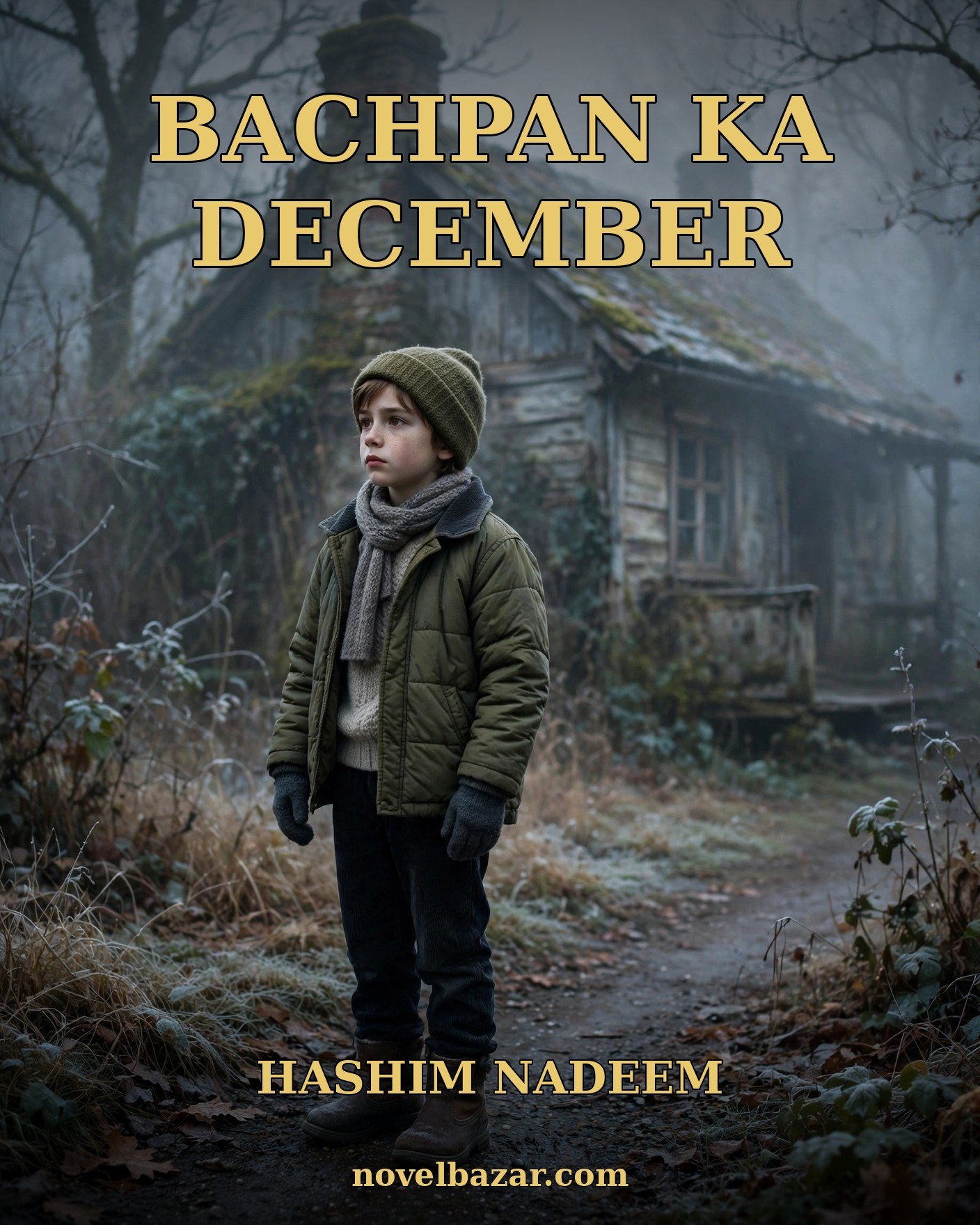
A novel that returns to childhood and to December, the month of memory and loss in much Urdu writing. Its mood is nostalgic and lyrical, and it suits readers who like contemporary fiction that looks backwards with affection. Read it if you like a novel that feels like remembering.
NovelBazar does not yet carry a separate post for this title, so this entry links to the NovelBazar homepage, the closest starting point on the site.
46. Jab Zindagi Shuru Hogi by Abu Yahya, novel
An Islamic afterlife novel that imagines the journey after death, the grave, the waiting and the Day of Judgement, told as a story rather than as a book of rulings. It is fiction that takes faith seriously, and it should be read as a story about belief, not as a legal text. Read it if you want fiction that treats the afterlife as a narrative.
Read or download Jab Zindagi Shuru Hogi on NovelBazar
47. Koi Lamha Khuwab Nahi Hota by Umera Ahmed, novelette
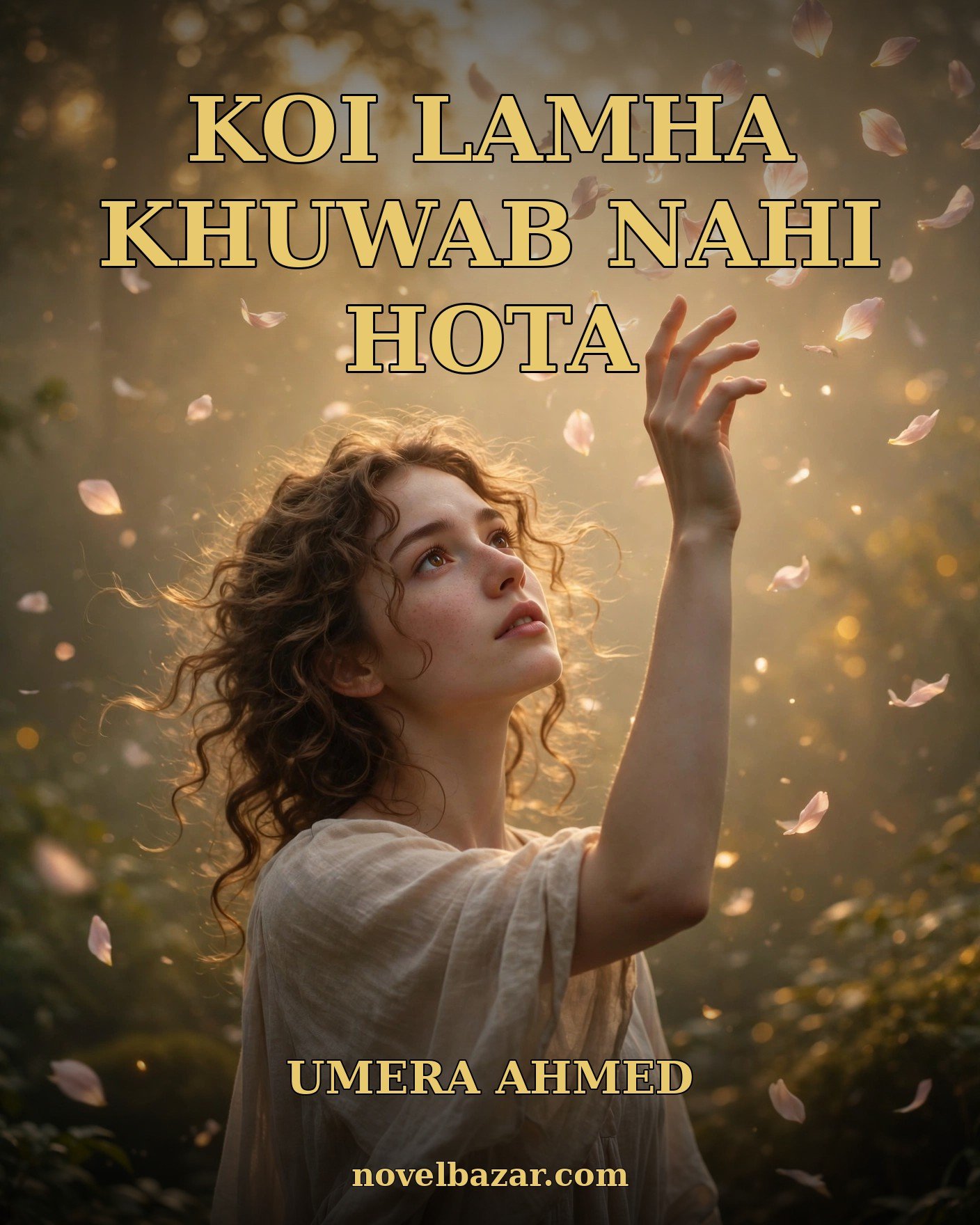
A short work by Umera Ahmed, not a full novel, about a moment that refuses to stay a dream. Its short length makes it a perfect first taste of the author, because it gives you her voice without asking for a week of your time. Read it if you want Umera Ahmed in one sitting.
Read or download Koi Lamha Khuwab Nahi Hota on NovelBazar
48. Teri Yaad Khaar-e-Gulaab Hai by Umera Ahmed, novelette
A short work by Umera Ahmed, first published in a digest and later collected, about memory as both rose and thorn. It is a novelette, not a novel, and this guide describes it at theme level only, since its detailed plot is not reliably documented. Read it if you like Umera Ahmed's short fiction.
Read or download Teri Yaad Khaar-e-Gulaab Hai on NovelBazar
49. Khushbu by Parveen Shakir, poetry collection (1976)
Parveen Shakir's debut poetry collection, containing ghazals and free verse that made her famous. No individual poem is reproduced here, and no single poem is attributed to this collection beyond its general character. Read it if you want to start Urdu poetry with a beloved modern voice, and keep it beside the novels rather than behind them.
Read or download Khushbu on NovelBazar
50. Undlas Main Ajnabi by Mustansar Hussain Tarar, travelogue
A travelogue of Andalusia in Spain, not a novel. Tarar, Urdu's best known travel writer, walks the reader through the cities and ruins of Muslim Spain, and history is present in every street he describes. Read it after Shaheen, because the same lost Spain appears here as a real place you can visit, not only as a historical novel's setting.
Read or download Undlas Main Ajnabi on NovelBazar
Genre guides across the eras
Era is the main order of this guide, but taste usually follows genre. These short guides cut across the rooms, so you can follow one kind of book from the foundations to the modern shelf.
Romance and family fiction. Start in the modern room with Yaaram, Diyar-e-Dil and Beli Rajputan Ki Malika, then move to Farhat Ishtiaq's quieter books, Woh Jo Qarz Rakhtay Thay and Mere Humdum Mere Dost, and to Umera Ahmed's novels of loneliness, regret and dignity, Qaid-e-Tanhai, Bas Ik Dagh-e-Nadamat and Thora Sa Aasman. Finish with the older family classic Aangan, to see how the same domestic concerns looked a generation earlier.
Historical fiction. Begin with Hijazi, in the order Shaheen, Daastaan-e-Mujahid, Yousuf bin Tashfin, Aur Talwar Toot Gai and Khaak aur Khoon, because his books teach you his world step by step. Then read Aag Ka Darya, which is larger and harder, and Undlas Main Ajnabi, which shows you the same Spanish world as a traveller sees it today.
Partition and society. Begin with the shortest pieces, Toba Tek Singh and Gadaria, then read Ya Khuda and Manto Nama, then the full novels Bano, Basti and Khaak aur Khoon. This order moves from a single image of Partition to a whole life shaped by it, and it keeps the short masterpieces from being crowded out by the long novels.
Poetry and collected works. Read in the order Bang-e-Dara, Baal-e-Jibreel, Musaddas-e-Hali and Khushbu, and keep Kulliyat-e-Iqbal as the reference volume behind them. This order puts Iqbal's growth first, then Hali's public poem, then Parveen Shakir's modern voice, so you hear how Urdu poetry changed across a century.
Humour, essays and reflections. Start with Dareechay for gentle humour, then Mazeed Hamaqatain and Bazm Araiyan for the same tradition in essay form, then Zarguzasht for Yusufi's grander humour, and finally Zaviya 3 and Dil Darya Samandar for reflection rather than laughter. Read these books a piece at a time, never in a rush.
Travelogue and memoir. Read Bajang Amad for a soldier's comic memoir of war, then Undlas Main Ajnabi for a traveller's memoir of a place. Together they show the two kinds of true story on this list, a life remembered and a journey walked, and neither one should be mistaken for fiction.
Build your library: a beginner's reading path
A library is built book by book, not bought in one order. This path gives you a first shelf, a second shelf and a deep shelf, and each stage prepares you for the next.
Your first five books. These five are chosen for ease, variety and finishability, so that you end the stage as a reader, not as someone who gave up halfway.
First, Yaaram, because modern romance should be enjoyable from the first chapter. Second, Toba Tek Singh, because one short masterpiece teaches you what Urdu short fiction can do. Third, Dareechay, because humour shows you a different Urdu voice and can be read in small pieces. Fourth, Bano, because a full Partition novel gives the library its serious centre. Fifth, Khushbu, because a poetry collection on the first shelf stops poetry from becoming a task you keep postponing.
Your next ten books. Once the first five are finished, widen the shelf in every direction at once. Add Diyar-e-Dil and Beli Rajputan Ki Malika for family and courtly romance, Raja Gidh and Aangan for the golden age classics, Shaheen and Khaak aur Khoon for historical fiction, Gadaria and Maan Ji for short fiction, and Bang-e-Dara for Iqbal. By the end of this stage you will know which room you love most, and that knowledge is worth more than any list.
The deep shelf. The remaining thirty five books are the deep shelf, and there is no single right order for them. Follow authors first, because an author you love is a safer guide than a genre you half like. Read all of Umera Ahmed, then all of Naseem Hijazi, then all of Farhat Ishtiaq, then all of Shafiq ur Rahman. Fill the gaps between authors with the books that do not belong to a run, Aag Ka Darya, Basti, Zarguzasht, Zaviya 3, Dil Darya Samandar, Bajang Amad and Undlas Main Ajnabi. Finish with Kulliyat-e-Iqbal, not because it is last in quality, but because a collected volume is best kept as a companion you return to, not a book you race through.
A practical rule for the whole path is to read the first few pages of any book before committing to it. Urdu books vary widely in difficulty, from digest fiction written for a general reader to literary fiction that rewards slow reading. Difficulty is not quality, and the best next book is the one you finish.
Index by era
Foundations, the first room. A small shelf that explains the tradition. Mirat ul Uroos, Musaddas-e-Hali, Bang-e-Dara, Baal-e-Jibreel, Kulliyat-e-Iqbal.
Golden age, the second room. The largest shelf, from Partition writing to humour and reflection. Aag Ka Darya, Raja Gidh, Aangan, Basti, Bano, Khaak aur Khoon, Shaheen, Daastaan-e-Mujahid, Aur Talwar Toot Gai, Yousuf bin Tashfin, Manto Nama, Toba Tek Singh, Gadaria, Ya Khuda, Maan Ji, Zarguzasht, Dareechay, Mazeed Hamaqatain, Bazm Araiyan, Bajang Amad, Zaviya 3, Dil Darya Samandar.
Modern shelf, the third room. Contemporary novels, poetry and travel writing. Aab-e-Hayat, Yaaram, Beli Rajputan Ki Malika, Ishq Ka Ain, Diyar-e-Dil, Woh Jo Qarz Rakhtay Thay, Mere Humdum Mere Dost, Dil Se Niklay Hain Jo Lafz, Qaid-e-Tanhai, Bas Ik Dagh-e-Nadamat, Thora Sa Aasman, Husna aur Husan Aara, Muthi Bhar Mitti, Aao Hum Pehla Qadam Dhartay Hain, Iblees, Sans Sakin Thi, Jo Chaley Tou Jaan Se Guzar Gaye, Bachpan Ka December, Jab Zindagi Shuru Hogi, Koi Lamha Khuwab Nahi Hota, Teri Yaad Khaar-e-Gulaab Hai, Khushbu, Undlas Main Ajnabi.
Index by genre
Novels, the long fiction shelf. Mirat ul Uroos, Aag Ka Darya, Raja Gidh, Aangan, Basti, Bano, Khaak aur Khoon, Shaheen, Daastaan-e-Mujahid, Aur Talwar Toot Gai, Yousuf bin Tashfin, Jab Zindagi Shuru Hogi, Aab-e-Hayat, Yaaram, Beli Rajputan Ki Malika, Ishq Ka Ain, Diyar-e-Dil, Woh Jo Qarz Rakhtay Thay, Mere Humdum Mere Dost, Dil Se Niklay Hain Jo Lafz, Qaid-e-Tanhai, Bas Ik Dagh-e-Nadamat, Thora Sa Aasman, Husna aur Husan Aara, Muthi Bhar Mitti, Aao Hum Pehla Qadam Dhartay Hain, Iblees, Sans Sakin Thi, Jo Chaley Tou Jaan Se Guzar Gaye, Bachpan Ka December.
Short fiction, afsanay and novelettes. Toba Tek Singh, Gadaria, Ya Khuda, Koi Lamha Khuwab Nahi Hota, Teri Yaad Khaar-e-Gulaab Hai, and the collections Manto Nama and Maan Ji.
Poetry and collected works. Khushbu, Bang-e-Dara, Baal-e-Jibreel, Kulliyat-e-Iqbal, Musaddas-e-Hali.
Humour, essays and reflections. Zarguzasht, Dareechay, Mazeed Hamaqatain, Bazm Araiyan, Zaviya 3, Dil Darya Samandar.
Travelogue and memoir. Undlas Main Ajnabi, Bajang Amad.
How to read or download these books on NovelBazar
Every entry above links to its own guide on NovelBazar. Each guide gives a fuller introduction, the key facts, and the read online and complete PDF download options for that title. If you are reading on a phone, the online reading option is usually the most comfortable. If you want to keep a book, the PDF download option is there on the same page.
For the six titles without a separate NovelBazar post yet, the entry links to the closest part of the site instead, and the guide page for that section will show you what NovelBazar actually carries. This guide does not promise a download for a book whose post does not exist, and it does not link to another site to fill the gap. When those six posts are published, their entries should be re-pointed to them.
Frequently asked questions
Where should a complete beginner start in this library?
Start with the first five books in the reading path above, Yaaram, Toba Tek Singh, Dareechay, Bano and Khushbu. That set gives you one modern romance, one short masterpiece, one humour book, one Partition novel and one poetry collection, so you learn your own taste instead of borrowing someone else's. Do not start with the hardest classic, because a first book you abandon teaches you nothing.
Should I read the fifty books in era order, from foundations to modern?
You can, and it is a fine way to read them, but it is not the only honest way. Era order teaches you how Urdu literature grew, and it makes the modern books richer, because you recognise what they inherited. Taste order is faster, because it keeps you reading. If you love romance, start in the modern room and visit the foundations later. If you love history, start with Hijazi and let the rest follow.
Which era suits which kind of reader?
The foundations suit readers who like to understand a tradition from its roots, and who enjoy poetry and reforming prose. The golden age suits readers who like serious, layered books, Partition history, philosophy and humour with a long memory. The modern shelf suits readers who want emotional, fast moving stories, contemporary settings and books that are easy to pick up. Most readers end up loving two rooms and respecting the third, and that is a good result.
Which era is hardest, and which is easiest?
The foundations are hardest in language, because the prose and poetry are older and the sentences are longer. The golden age is hardest in feeling, because its books deal with loss, displacement and moral argument. The modern shelf is easiest to start, because its language is contemporary and its stories move quickly. Ease is not a ranking of value, and the hardest room often becomes the favourite room once a reader is ready for it.
How long does it take to build this library?
Fifty books is a lifetime's shelf, not a weekend's task. At one book a month, the library takes about four years. At one book a fortnight, it takes about two years. The reading path is built for that pace, because a library you actually finish is worth more than a library you only collect. Read one room at a time, follow the authors you like into their other books, and let the list grow with you.
In what order should I read Naseem Hijazi's five novels?
Read Shaheen first, because it is the most self contained adventure, then Daastaan-e-Mujahid for its wider sweep, then Yousuf bin Tashfin for its military history, then Aur Talwar Toot Gai for its elegiac mood, and finally Khaak aur Khoon, which is the heaviest of the five because it deals with Partition itself. That order moves from adventure to history to elegy, and it keeps the hardest book for last.
In what order should I read Iqbal's poetry on this list?
Read Bang-e-Dara first, then Baal-e-Jibreel, then Musaddas-e-Hali, and keep Kulliyat-e-Iqbal beside you as the collected volume. Bang-e-Dara gives you Iqbal's early voice, Baal-e-Jibreel gives you his more philosophical voice, and Musaddas-e-Hali gives you the older public poem that shaped the tradition Iqbal inherited. Khushbu belongs after Iqbal, as a modern voice in conversation with the same tradition.
What is the best reading order for the Partition books?
Start with Toba Tek Singh and Gadaria, because short fiction gives you the shock of Partition in a single sitting. Then read Ya Khuda and Manto Nama, which widen the picture. Then read Bano for one woman's life, Basti for memory and displacement, and Khaak aur Khoon for history at full scale. This order moves from image to life to history, and it prevents the long novels from dulling the short stories.
Which books on this list are not novels at all?
Five are poetry or a long poem, Khushbu, Bang-e-Dara, Baal-e-Jibreel, Kulliyat-e-Iqbal and Musaddas-e-Hali. Five are short fiction or novelettes, Toba Tek Singh, Gadaria, Ya Khuda, Koi Lamha Khuwab Nahi Hota and Teri Yaad Khaar-e-Gulaab Hai, plus the collections Manto Nama and Maan Ji. Six are humour, essays or reflections, Zarguzasht, Dareechay, Mazeed Hamaqatain, Bazm Araiyan, Zaviya 3 and Dil Darya Samandar. One is a travelogue, Undlas Main Ajnabi, and one is a memoir, Bajang Amad. They are labelled honestly in every entry, because a reader looking for a short, funny or poetic book deserves to find it.
Which is the first Urdu novel?
Mirat ul Uroos (1869) by Deputy Nazir Ahmad is widely regarded as the first Urdu novel, and it was certainly its first bestseller. The claim is disputed, since Khat-e-Taqdeer (1862) is also claimed as the first Urdu novel, and other lists name Umrao Jaan Ada (1899) as the first true Urdu novel. This guide reports the dispute rather than picking a winner, and it uses the words widely regarded as for exactly that reason.
Why are Peer-e-Kamil, Namal and Umrao Jaan Ada not on this list?
Because this list follows one published fifty title reading list, and those famous books are not on it. Their absence is not a judgement on their quality. Readers who want them should search NovelBazar for their authors, Umera Ahmed for Peer-e-Kamil, Nimra Ahmed for Namal, and Mirza Hadi Ruswa for Umrao Jaan Ada. Aab-e-Hayat is on this list, and it is the sequel to Peer-e-Kamil, so readers of that sequel often go looking for its first volume next.
Where can I read these books online or download the PDF on NovelBazar?
On NovelBazar, every entry above links to its own guide, which carries the read online and complete PDF download options for that title. Use the online reading option on a phone, and the PDF download if you want to keep the book. For the six titles without a separate post yet, the entry links to the closest section of NovelBazar instead, and that section shows what the site actually carries.
Are these books free to read on NovelBazar?
The guides on NovelBazar present the read online and download options that the site itself lists for each title. If a title's guide shows no download option, it says so on that page rather than promising a file that is not there. This master guide makes no download promise of its own, and it makes no promise at all for the six gap titles beyond their fallback links.
How do I choose between the modern authors, Umera Ahmed, Nimra Ahmed and Farhat Ishtiaq?
Choose by mood, not by fame. Umera Ahmed suits readers who like psychological depth, moral questions and quiet intensity. Nimra Ahmed suits readers who like strong heroines, suspense and high emotion. Farhat Ishtiaq suits readers who like family stories, restrained feeling and relationships tested over time. Read one book by each author from this list, then follow the author whose mood matches yours.
Final word
A library is not a race, and fifty books are not a target to hit. They are a shelf to live with, one room at a time. Start with the first five, find your room, follow your authors, and let the deep shelf wait patiently for you. The best Urdu novel in this library is the one that brings you back for the next one, and a guide organised by era and genre is built to do exactly that, because your next book is always one link away, in the room you already love.
Back to the NovelBazar home page